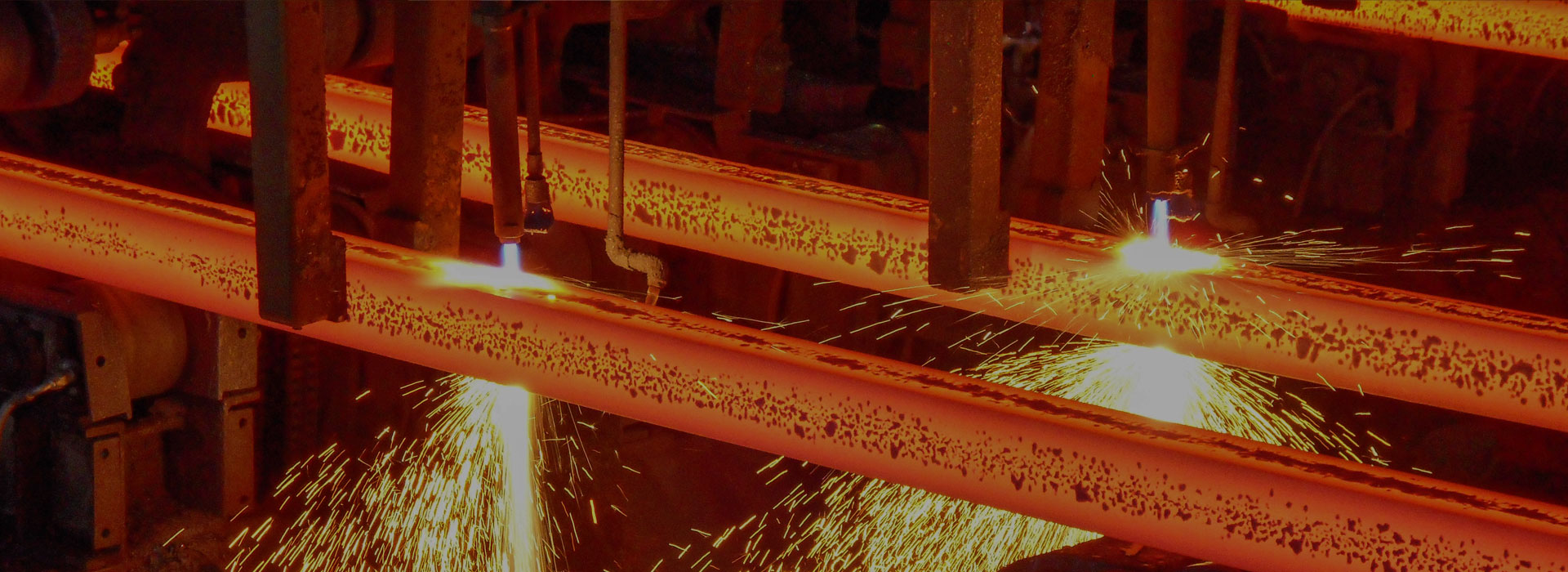
How Can Foundries Enhance the Performance of Gray Cast Iron Castings?
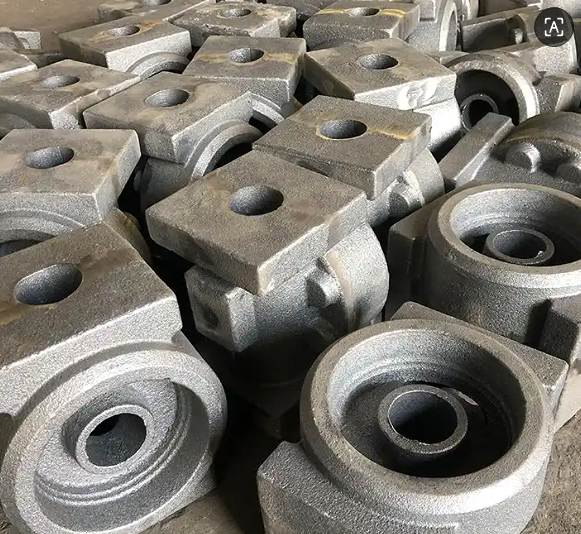
Gray cast iron components are products made by mixing clay, sand, and water, and are widely used in the construction industry. In the production process, it is necessary to properly control the ratio of these three materials. If there is too much water, the gray cast iron pieces may not have enough viscosity during molding, which can affect their subsequent use. If the clay content is too high or too low during proportioning, it will affect the performance of the molding sand. So, what measures can foundries take to improve the performance of gray cast iron?
Enhancing the performance of gray cast iron mainly focuses on improving its strength and tensile properties.
1. Reasonable selection of chemical composition. Gray cast iron contains multiple elements, including carbon, silicon, manganese, sulfur, and phosphorus. The proportion of these elements directly affects the quality of gray cast iron components. Therefore, in actual production, the carbon content should be controlled between 2.6%-3.6%, silicon content between 1.2%-3%, manganese content between 0.4%-1.2%, sulfur content between 0.02%-0.15%, and phosphorus content between 0.2%-1.5%. A reasonable selection of each element can effectively improve the mechanical properties of gray cast iron components.
2. Modify the composition of the furnace charge. The furnace charge for gray cast iron generally consists of pig iron, scrap steel, recycled material, and ferroalloys. Adding scrap steel or using synthetic cast iron instead of pig iron can reduce the carbon content of the molten iron, thereby improving the mechanical properties of gray cast iron components.
3. Superheat treatment of the molten iron. The temperature of the molten iron directly affects the composition and purity of the casting. Appropriately increasing the temperature of the molten iron helps improve its fluidity, obtain sound gray cast iron components, reduce the scrap rate of castings, and thereby improve the mechanical properties of gray cast iron components within a certain range.
4. Inoculation treatment of molten iron. Before the molten iron is poured into the mold cavity, adding an inoculant to the molten iron changes its metallurgical state, thereby improving the structure and performance of the cast iron.
5. Low alloying. In production, a small amount of alloying elements can be added before melting, in combination with inoculation technology, to produce molten iron of different compositions. This can meet the requirements of different grades or castings of the same grade with different wall thicknesses.
Send Inquiry



X
We use cookies to offer you a better browsing experience, analyze site traffic and personalize content. By using this site, you agree to our use of cookies.
Privacy Policy