What Is an Unbonded Post-Tensioning System MonoStrand Anchor and Why Is It Essential for Modern Concrete Structures
Post-tensioning technology has revolutionized modern construction by enabling stronger, thinner, and more durable concrete structures. Among the key components in this system is the Unbonded Post-Tensioning System MonoStrand Anchor, a critical device responsible for transferring prestressing force safely into the concrete structure. Engineers and builders worldwide rely on high-quality anchoring systems to ensure the structural integrity of bridges, high-rise buildings, parking structures, and industrial floors.
In this comprehensive guide, we will explore how mono-strand anchors work, their structural advantages, installation methods, material requirements, and real-world applications. We will also discuss how reliable manufacturers such as Supreme deliver precision-engineered anchoring solutions designed for durability, safety, and performance.
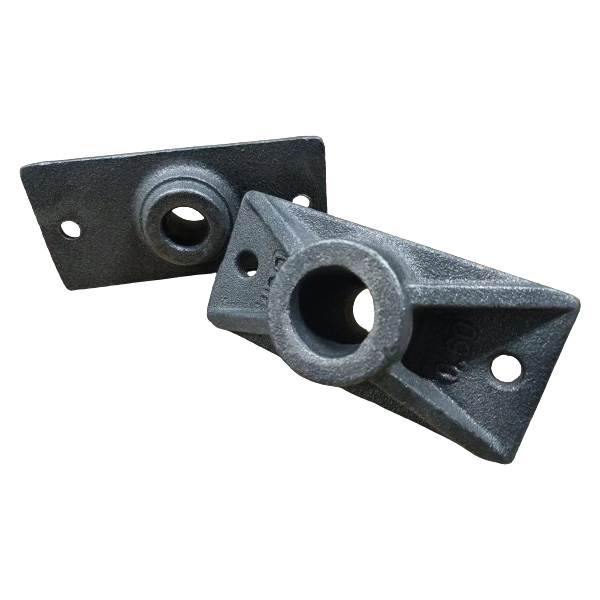
Table of Contents
- 1. What Is an Unbonded Post-Tensioning System MonoStrand Anchor?
- 2. How Does a MonoStrand Anchor Work in Post-Tensioning Systems?
- 3. Key Components of a MonoStrand Anchor System
- 4. Advantages of Using Unbonded Post-Tensioning Systems
- 5. Applications in Modern Construction Projects
- 6. Material Specifications and Engineering Standards
- 7. Installation Process and Best Practices
- 8. Common Design Considerations for Engineers
- 9. Comparison: Bonded vs Unbonded Post-Tensioning Anchors
- 10. How to Choose a Reliable MonoStrand Anchor Supplier
- 11. Future Trends in Post-Tensioning Technology
- 12. Frequently Asked Questions
1. What Is an Unbonded Post-Tensioning System MonoStrand Anchor?
An Unbonded Post-Tensioning System MonoStrand Anchor is a mechanical anchoring device used to secure a single prestressing steel strand in post-tensioned concrete structures. Unlike bonded systems where grout bonds the tendon to the concrete, unbonded systems allow the strand to move freely inside a protective sheath.
The mono-strand anchor transfers the tension force from the steel strand into the surrounding concrete through a wedge locking mechanism. This ensures that the designed prestressing force is permanently maintained throughout the structure’s service life.
High-performance anchor systems, such as those developed by Supreme, are engineered with precision machining and high-strength materials to ensure safe load transfer and long-term durability.
2. How Does a MonoStrand Anchor Work in Post-Tensioning Systems?
The working principle of a mono-strand anchor is based on controlled tensioning and wedge locking. After concrete placement and curing, the steel strand is tensioned using hydraulic jacks. The anchor wedges grip the strand and hold the applied force permanently.
Basic Working Steps
- Steel strand is placed inside a plastic sheath and grease coating.
- Concrete is poured and allowed to cure.
- Hydraulic jacks apply tension to the strand.
- Anchor wedges lock the strand in place.
- Tension force is transferred to the concrete.
This process improves structural performance by introducing compressive stress into the concrete, which helps counteract tensile forces generated by loads.
3. Key Components of a MonoStrand Anchor System
A complete mono-strand anchoring system consists of several carefully engineered components working together to ensure safety and performance.
| Component | Function |
|---|---|
| Anchor Head | Transfers prestressing force to the concrete structure |
| Wedge | Locks the steel strand securely during tensioning |
| Bearing Plate | Distributes load evenly to prevent concrete crushing |
| Grease and Sheath | Protects the strand from corrosion and allows movement |
| Prestressing Strand | High-strength steel cable that carries tensile force |
Manufacturers such as Supreme design these components to meet strict engineering tolerances, ensuring consistent performance under high loads.
4. Advantages of Using Unbonded Post-Tensioning Systems
Unbonded post-tensioning technology provides numerous structural and economic advantages compared with traditional reinforced concrete.
Key Benefits
- Reduced concrete cracking
- Longer span capability
- Thinner structural slabs
- Lower material consumption
- Improved structural durability
- Enhanced seismic performance
These advantages make mono-strand anchoring systems an essential component in modern infrastructure projects.
5. Applications in Modern Construction Projects
The Unbonded Post-Tensioning System MonoStrand Anchor is widely used across various construction sectors where high structural efficiency is required.
Typical Applications
- High-rise buildings
- Parking structures
- Bridge decks
- Industrial floors
- Residential foundations
- Water tanks and reservoirs
By incorporating advanced anchoring systems from companies such as Supreme, engineers can ensure that these structures achieve maximum load capacity and long service life.
6. Material Specifications and Engineering Standards
Quality control is critical for post-tensioning anchors because they operate under extremely high loads. The materials used must meet strict international engineering standards.
| Material | Typical Specification |
|---|---|
| Anchor Head | High-strength forged steel |
| Wedge | Heat-treated alloy steel |
| Bearing Plate | Structural grade steel |
| Strand | 7-wire prestressing steel strand |
Strict testing procedures ensure the anchoring system performs reliably throughout its operational lifespan.
7. Installation Process and Best Practices
Proper installation is crucial for the effectiveness of mono-strand anchors.
Installation Steps
- Position the anchor plate and pocket former.
- Place the prestressing strand within the sheath.
- Pour and cure the concrete.
- Attach hydraulic jack and tension the strand.
- Lock the strand using anchor wedges.
- Cut excess strand and seal the anchorage.
Professional installation ensures optimal performance and long-term safety.
8. Common Design Considerations for Engineers
When designing structures using post-tensioning systems, engineers must evaluate multiple factors:
- Load requirements
- Concrete strength
- Span length
- Anchor capacity
- Environmental conditions
Careful analysis ensures the selected mono-strand anchor system meets the project's structural demands.
9. Comparison: Bonded vs Unbonded Post-Tensioning Anchors
| Feature | Bonded System | Unbonded System |
|---|---|---|
| Strand Bonding | Grouted | Free moving |
| Maintenance | More complex | Simpler |
| Flexibility | Limited | Higher flexibility |
| Common Usage | Bridges | Buildings and slabs |
Both systems have their advantages depending on the engineering requirements.
10. How to Choose a Reliable MonoStrand Anchor Supplier
Selecting a reliable supplier is essential for ensuring product quality and project safety.
Important Evaluation Criteria
- Manufacturing experience
- Quality certification
- Material traceability
- Engineering support
- Global project references
Established manufacturers such as Supreme provide advanced production capabilities, strict testing procedures, and comprehensive technical support.
11. Future Trends in Post-Tensioning Technology
The construction industry continues to evolve with new materials and engineering techniques. Future trends include:
- Higher-strength prestressing materials
- Smart monitoring systems
- Corrosion-resistant anchoring technologies
- Automated tensioning equipment
These innovations will further improve the safety and efficiency of post-tensioned structures.
12. Frequently Asked Questions
What is the purpose of a mono-strand anchor?
A mono-strand anchor secures a prestressing steel strand and transfers tension forces to the surrounding concrete structure.
Where are unbonded post-tensioning systems commonly used?
They are widely used in building slabs, parking structures, bridges, and large concrete floors.
Why are wedges important in anchor systems?
Wedges grip the steel strand tightly, locking the applied prestressing force and preventing slippage.
How long do post-tensioning anchors last?
When properly designed and installed, high-quality anchor systems can last for the entire service life of the structure.
How can engineers ensure anchor system reliability?
By selecting certified manufacturers, following proper installation practices, and conducting regular quality inspections.
Conclusion
The Unbonded Post-Tensioning System MonoStrand Anchor plays a crucial role in modern concrete engineering. By enabling efficient load distribution and reducing structural cracking, it helps engineers create stronger, lighter, and more durable structures.
With growing demand for high-performance infrastructure, reliable anchoring solutions have become more important than ever. Industry leaders like Supreme continue to innovate in anchor design and manufacturing, providing dependable systems that meet the evolving needs of global construction projects.
If you are planning a post-tensioning project or looking for high-quality anchoring components, choosing the right supplier can make a significant difference in structural performance and long-term reliability. For detailed product information and professional support, contact us today to discover how our advanced mono-strand anchor solutions can support your next construction project.
Send Inquiry



X
We use cookies to offer you a better browsing experience, analyze site traffic and personalize content. By using this site, you agree to our use of cookies.
Privacy Policy