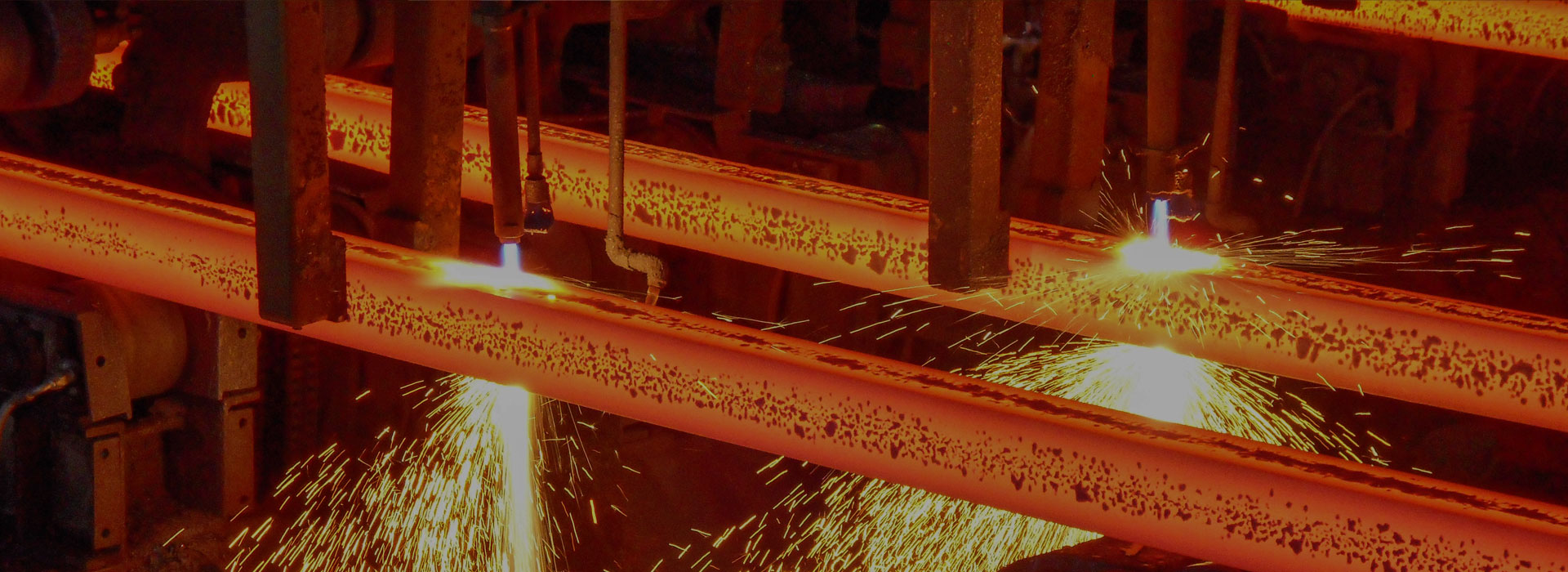
What Makes Iron Casting the Right Choice for Complex Industrial Parts?
Article Summary
Iron casting remains one of the most practical manufacturing methods for buyers who need strength, design freedom, stable repeatability, and sensible production cost in one package. Yet many purchasing teams still struggle with the same questions: which iron grade should they choose, which molding process is better, how can they avoid defects, and what should they ask a supplier before placing an order?
In this article, I walk through the real buying concerns behind Iron Casting rather than just listing technical terms. I explain where iron casting adds value, how gray iron and ductile iron differ, what resin sand and green sand casting mean for quality and cost, and how a dependable manufacturer such as Ningbo Supreme Machinery Co.,Ltd. can help reduce risk from quotation to final delivery. If you are comparing suppliers or trying to improve part performance without overspending, this guide is built to answer the questions that actually matter.
Table of Contents
- Why do buyers still choose iron casting for demanding parts?
- Which iron casting material is better for your application?
- How do casting processes affect quality, lead time, and price?
- What problems do buyers usually face when sourcing iron castings?
- How can you evaluate a reliable iron casting supplier?
- Which applications benefit most from iron casting?
- What should you prepare before requesting a quotation?
- Why does long-term cooperation matter in iron casting projects?
- FAQ
- Conclusion
Why do buyers still choose iron casting for demanding parts?
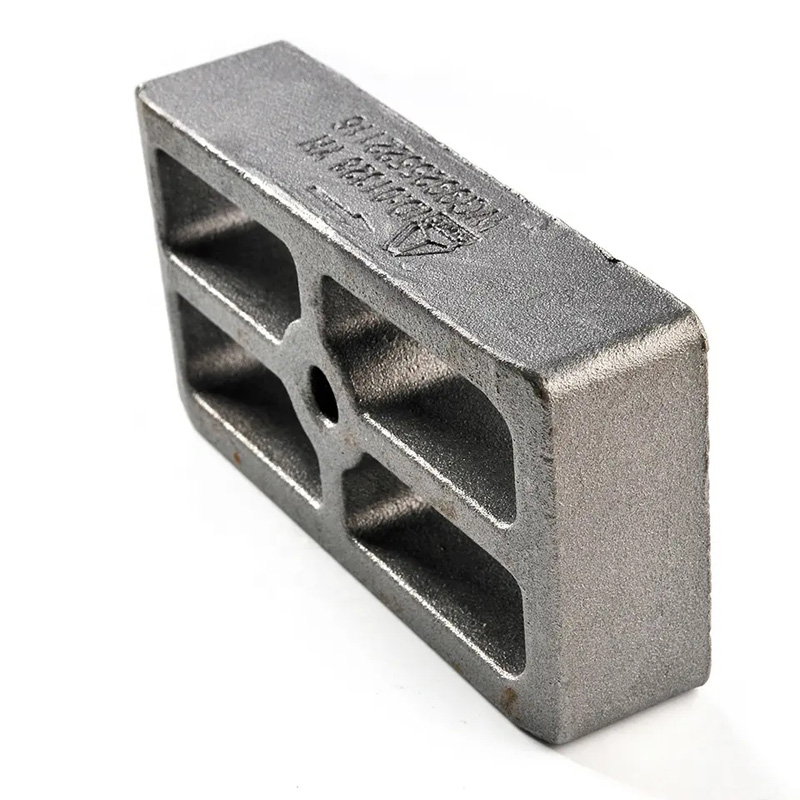
Buyers rarely choose a process just because it sounds traditional. They choose it because it solves practical problems. That is exactly why Iron Casting continues to hold its place in industries that care about durability, shape complexity, and production efficiency.
When I look at the parts that are difficult to machine from solid metal, costly to fabricate from multiple welded pieces, or too complex for simpler forming methods, iron casting often becomes the most balanced answer. It allows designers to create intricate internal and external geometries, integrate multiple functions into one part, and reduce unnecessary machining steps afterward.
For many industrial buyers, the appeal is not only technical. It is commercial. A well-designed casting can lower total production cost by reducing material waste, minimizing assembly, and improving consistency over repeated batches. That matters whether the final product is a pump housing, machine bed, bracket, valve body, or automotive component.
- It supports complex shapes that are expensive to machine from bar stock.
- It offers a good balance of mechanical performance and cost control.
- It suits both medium and high-volume production projects.
- It can simplify assembly by combining several features into one casting.
- It remains highly adaptable across machinery, automotive, agriculture, and infrastructure industries.
That is why serious buyers do not ask whether iron casting is old-fashioned. They ask whether it is the smartest manufacturing route for the part in front of them.
Which iron casting material is better for your application?
This is usually the first technical decision, and it should never be made by habit alone. In most sourcing discussions, the conversation comes down to two common choices: gray iron and ductile iron. Each has its place, and choosing the wrong one can lead to overspending or underperforming.
| Material Type | Main Advantages | Typical Buyer Priorities | Common Applications |
|---|---|---|---|
| Gray Iron | Good vibration damping, excellent machinability, cost efficiency, stable casting behavior | Lower cost, dimensional stability, easier machining, reliable performance in compression | Machine bases, housings, covers, engine blocks, cookware, municipal parts |
| Ductile Iron | Higher strength, better toughness, improved ductility, stronger impact resistance | Greater load-bearing capacity, improved safety margin, longer service life in demanding use | Automotive parts, steering components, valve bodies, hydraulic components, heavy-duty brackets |
If your part must absorb vibration, remain easy to machine, and keep cost under control, gray iron may be the better answer. If your part must handle higher stress, shock, or mechanical loading, ductile iron is often the safer choice.
The mistake I see buyers make most often is assuming stronger is always better. It is not. A material upgrade only makes sense when it improves real-world performance enough to justify the added cost. Otherwise, it simply inflates the budget.
A capable supplier should be able to review drawings, loading conditions, tolerance expectations, and end-use environment before recommending the appropriate grade. That discussion matters far more than simply pushing the highest specification on paper.
How do casting processes affect quality, lead time, and price?
Buyers often focus on material first, but process choice can influence the final result just as much. In many Iron Casting projects, two common routes are green sand casting and resin sand casting. Both are useful, but they serve different priorities.
| Process | What It Usually Offers | Best Fit For | Buyer Consideration |
|---|---|---|---|
| Green Sand Casting | Efficient production, lower molding cost, strong suitability for volume manufacturing | Standard industrial parts where cost and output matter most | Great for price-sensitive projects, but surface finish and precision depend heavily on process control |
| Resin Sand Casting | Better dimensional accuracy, clearer contours, smoother surface quality | Parts with more demanding shape details or tighter expectations | Usually costs more, but can reduce later machining or finishing effort |
Here is the practical way I like to frame it. If the part is straightforward, production volume is high, and the budget is under pressure, green sand casting may be the more efficient route. If the geometry is more complex, appearance matters, or you want better dimensional control from the start, resin sand casting may create more value overall.
Process choice is not just about what happens in the foundry. It affects machining allowance, surface quality, rejection risk, tooling decisions, and even shipping schedules. A cheaper molding route can become more expensive later if it creates extra finishing work or unstable batch quality.
What problems do buyers usually face when sourcing iron castings?
Most buyer pain points are not mysterious. They show up again and again across projects:
- The quotation looks attractive, but the supplier cannot keep dimensions stable in mass production.
- The drawing is accepted too quickly, without enough feedback on casting feasibility.
- Surface defects, porosity, or inconsistent machining allowance appear after shipment.
- Lead times change because tooling, pattern correction, or sampling was not managed well.
- Communication becomes vague once the order is confirmed.
The deeper issue is that many buyers are not only purchasing a part. They are purchasing process control. A casting may look acceptable in a sample stage, but if the supplier lacks stable mold preparation, melting control, inspection discipline, and corrective action capability, problems will surface later.
That is why it is dangerous to buy iron castings as if they were ordinary catalog goods. Even standard-looking parts depend on real foundry discipline behind the scenes.
What experienced buyers pay attention to
- Whether the supplier asks the right technical questions before quoting
- Whether drawing review includes manufacturability comments
- Whether sample approval criteria are written clearly
- Whether the quality plan is discussed before production starts
- Whether the supplier talks about prevention instead of only reacting after problems happen
How can you evaluate a reliable iron casting supplier?
I would never judge a supplier only by product photos. In casting, photos prove almost nothing by themselves. A strong supplier should be able to support you from design review to production stability, not simply promise that everything is “no problem.”
When working with a manufacturer such as Ningbo Supreme Machinery Co.,Ltd., buyers should focus on how the team handles technical communication, process selection, and quality consistency. Those are the real indicators of long-term value.
| Evaluation Point | What You Should Look For |
|---|---|
| Drawing Review | Feedback on wall thickness, draft, machining allowance, fillets, and risk areas instead of silent acceptance |
| Material Recommendation | A reasoned suggestion based on function, loading, and cost rather than generic upselling |
| Process Selection | Clear explanation of why a certain molding process fits the project |
| Sampling Control | Documented sample confirmation with measurable standards |
| Inspection Ability | Dimensional checks, visual control, and willingness to align on acceptance requirements |
| Communication | Fast, specific, technically grounded replies throughout quotation and production |
A supplier earns trust when they help you avoid hidden problems before tooling is finalized. That kind of cooperation saves more money than any aggressive first quotation ever will.
Which applications benefit most from iron casting?
One reason Iron Casting remains so widely used is its range. It is not limited to a single sector or product family. It works wherever designers need durable metal parts with complex geometry and sensible production economics.
- Automotive components that require strength, durability, and repeatability
- Agricultural machinery parts that must perform in harsh working conditions
- Hydraulic and valve components where structural reliability matters
- Machine tool beds and housings that benefit from rigidity and vibration damping
- Municipal, construction, and infrastructure parts that need long service life
In these applications, the value of casting is not just that it forms metal. It is that it does so in a way that fits industrial reality: performance requirements, budget pressure, and the need for dependable batch production.
What should you prepare before requesting a quotation?
A better RFQ almost always produces a better quotation. If you want faster evaluation, more accurate pricing, and fewer surprises later, give the supplier enough detail to judge the project properly.
- 2D drawings or 3D files with critical dimensions marked clearly
- Expected material or performance target if already known
- Estimated annual quantity or order volume
- Machining requirements and critical tolerance zones
- Surface expectations, coating needs, or special finishing requests
- Application description and working condition if the part is load-sensitive
- Packaging, shipping, and destination requirements
If you are unsure about some of these points, that is fine. A good supplier should help fill in the blanks. But the more clearly you define the project, the more useful and realistic the quotation will be.
Why does long-term cooperation matter in iron casting projects?
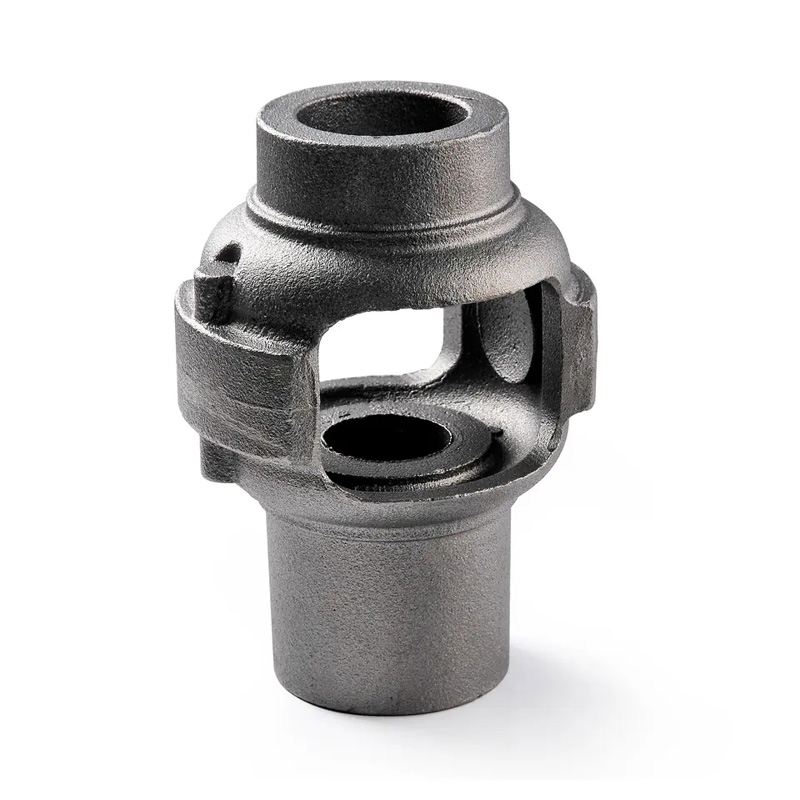
Casting is one of those product categories where continuity creates real value. Once a supplier understands your drawing style, inspection expectations, machining standards, packaging habits, and end-use risks, the workflow becomes smoother and more predictable.
That is especially important when parts evolve. Many buyers begin with one standard component and later expand into variants, improved versions, or related assemblies. A supplier who already understands the original part can often respond much faster and with fewer errors.
In other words, the right foundry relationship is not just about one purchase order. It becomes a manufacturing resource. And in a market where delays, inconsistency, and unclear communication can damage downstream production, that kind of reliability is worth protecting.
FAQ
What is iron casting used for?
Iron casting is widely used for parts that need strength, complex shape capability, and cost-effective production. Common examples include housings, machine bases, automotive parts, hydraulic components, and infrastructure hardware.
Which is better, gray iron or ductile iron?
Neither is universally better. Gray iron is often preferred for machinability, vibration damping, and cost efficiency, while ductile iron is chosen when higher strength and toughness are required.
Is iron casting suitable for custom parts?
Yes. In fact, custom industrial parts are one of the strongest use cases for iron casting because the process supports complex geometry and function integration more easily than many alternative manufacturing routes.
How can I reduce risk when buying iron castings?
Start with complete drawings, clarify functional requirements, confirm material and process early, and work with a supplier that provides technical feedback rather than only a fast price.
Why do quotations from different suppliers vary so much?
The price difference often comes from material assumptions, molding process, machining scope, inspection level, tooling approach, and the supplier’s actual quality control capability. A lower quotation is not always a lower total cost.
Conclusion
The real strength of Iron Casting is not simply that it is a proven manufacturing method. It is that it continues to solve modern production problems with remarkable practicality. It gives buyers flexibility in design, confidence in durability, and control over cost when the project is matched with the right material, the right process, and the right supplier.
If you are sourcing cast parts for machinery, automotive, agricultural, hydraulic, or structural applications, the smartest next step is not to chase the lowest price blindly. It is to work with a manufacturer that understands how to turn drawings into stable, repeatable production. Ningbo Supreme Machinery Co.,Ltd. can support buyers who need dependable iron casting solutions built around actual project needs rather than generic promises.
If you are comparing suppliers, reviewing a new project, or trying to improve the quality and cost balance of your current cast components, now is the right time to take a closer look at your sourcing strategy. Contact us to discuss your drawings, quantities, material options, and production goals, and let us help you find a more reliable iron casting solution for your business.
Previous:Gray Cast Iron Automotive Parts
Send Inquiry



X
We use cookies to offer you a better browsing experience, analyze site traffic and personalize content. By using this site, you agree to our use of cookies.
Privacy Policy