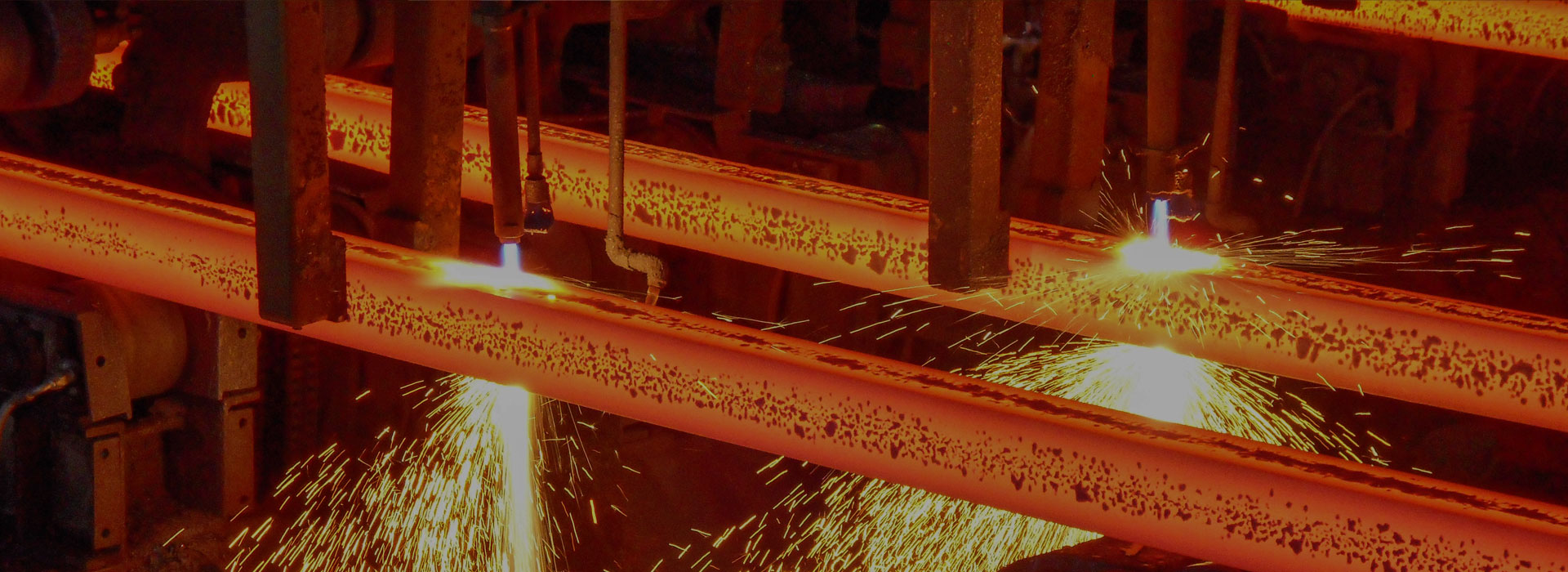
Production Process and Technological Development of Stainless Steel Castings
In modern industry, stainless steel castings are more than just a technical term—they are an indispensable component in many sectors. Whether it's automotive, aerospace, or medical equipment, stainless steel castings have earned widespread use thanks to their excellent performance. So, how are stainless steel castings actually made? And what technological developments are worth paying attention to? Today, let's chat about this topic and see just how rich the processes behind it really are.
Basic Knowledge of Stainless Steel Castings
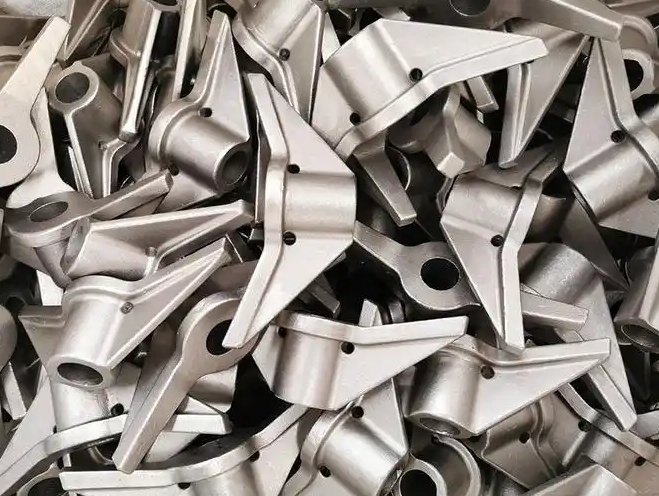
First, we need to understand what stainless steel castings are. Stainless steel castings are components made from stainless steel through casting processes. They are widely used in various fields due to their exceptional corrosion resistance, high-temperature resistance, and strength. Imagine how much the safety and durability of many modern devices would be compromised without them.
But when it comes to casting processes, many people might think it's a complex science. In fact, casting can roughly be divided into several steps: mold making, melting and pouring, cooling, and cleaning. Every step is crucial, and even a small mistake can result in flaws in the final product.
The Evolution of Casting Processes
With technological advancements, the production process of stainless steel castings has been continuously evolving. Traditional sand casting, while cost-effective, often struggles to meet the precision and surface quality requirements of modern industry. This led to the emergence of new processes like precision casting and investment casting. These new methods not only improve casting accuracy but also greatly enhance surface quality.
For example, the investment casting process uses wax molds to create fine castings. The wax is removed, and molten metal is poured to form the casting. This method allows for more complex shapes, reduces post-processing, and increases production efficiency. You can think of it like an artist using the finest brushstrokes to create a perfect painting.
Application of New Technologies
Moreover, in recent years, the rise of 3D printing has brought new possibilities for the production of stainless steel castings. 3D printing can quickly create complex molds, shortening the production cycle. This means we can respond faster to market demands and adapt to constantly changing customer requirements.
At the same time, advances in materials science are driving the development of stainless steel castings. For example, adding alloying elements can significantly improve stainless steel's performance, making it more corrosion-resistant and heat-resistant. It's like giving your car a more powerful engine so it can perform well in any environment.
Future Prospects
Looking ahead, the stainless steel casting industry will certainly face more challenges and opportunities. With increasingly strict environmental regulations, how to reduce energy consumption and waste during production while maintaining product quality will become a key focus for manufacturers.
So, are you, like me, excited about the future of stainless steel castings? With continuous technological advances, we have every reason to believe that future stainless steel castings will be more environmentally friendly, smarter, and even higher performing.
Conclusion
Overall, the production processes and technological developments of stainless steel castings are constantly evolving. From traditional casting methods to modern 3D printing, every step drives industry progress. For enterprises still looking for the right casting solutions, understanding these processes and technologies is undoubtedly crucial.
Send Inquiry



X
We use cookies to offer you a better browsing experience, analyze site traffic and personalize content. By using this site, you agree to our use of cookies.
Privacy Policy