What Is Post Tension Anchorage and Why Does It Matter in Modern Concrete Construction
Post Tension Anchorage plays a critical role in today’s concrete construction industry, and at Supreme Machinery, we work closely with engineers and contractors who rely on this technology every day. From bridges and high-rise buildings to slabs and parking structures, post tension anchorage systems ensure strength, durability, and long-term performance. Understanding how they work and why they matter is essential for anyone involved in structural design or construction.
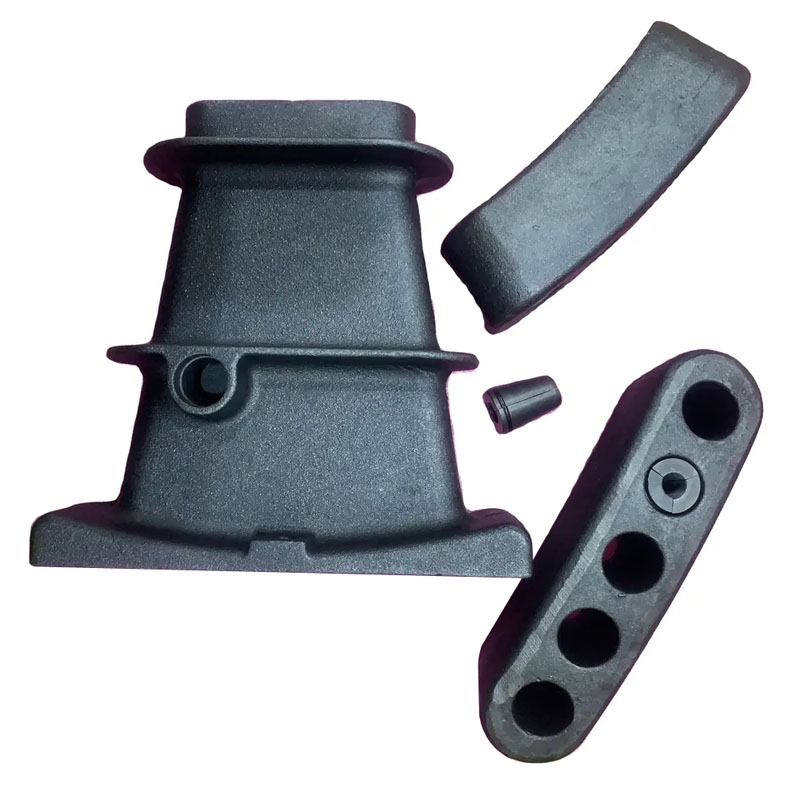
Table of Contents
- What Is Post Tension Anchorage?
- Key Components of a Post Tension Anchorage System
- How Does Post Tension Anchorage Work?
- Where Is Post Tension Anchorage Commonly Used?
- Why Is Post Tension Anchorage Important?
- How to Choose the Right Post Tension Anchorage
- Quality Standards and Safety Considerations
- Common Challenges and Solutions
- Frequently Asked Questions
What Is Post Tension Anchorage?
Post Tension Anchorage refers to the mechanical system used to anchor and secure post-tensioning tendons within concrete structures. These anchorages transfer the tensile force from the steel tendon into the concrete, allowing the structure to resist loads more efficiently.
Unlike traditional reinforced concrete, post-tensioned concrete introduces compressive stress after the concrete has cured. The anchorage system ensures that this stress is safely locked in place for the lifespan of the structure.
Key Components of a Post Tension Anchorage System
A typical Post Tension Anchorage system consists of several precision-engineered components. Each part must work together flawlessly to ensure performance and safety.
| Component | Function |
|---|---|
| Anchor Head | Transfers tendon force into the concrete |
| Wedges | Grip and lock the tendon securely |
| Bearing Plate | Distributes stress evenly into concrete |
| Duct or Sheathing | Protects tendon and allows movement during stressing |
Manufacturers like Supreme Machinery focus on precision machining and strict quality control to ensure each component performs reliably under high stress conditions.
How Does Post Tension Anchorage Work?
The working principle of Post Tension Anchorage is straightforward yet highly effective. After the concrete reaches sufficient strength, steel tendons are tensioned using hydraulic jacks. Once the desired force is achieved, the anchorage system locks the tendon in place.
- Concrete is poured with ducts and anchorages pre-installed
- Tendons are inserted after curing or pre-installed
- Tension is applied using stressing equipment
- Anchorage wedges grip the tendon permanently
This process introduces compressive stress that counteracts tensile forces, reducing cracking and improving load capacity.
Where Is Post Tension Anchorage Commonly Used?
Post Tension Anchorage systems are widely used across multiple construction sectors due to their flexibility and efficiency.
- Commercial and residential buildings
- Bridges and flyovers
- Parking structures
- Industrial floors and slabs
- Water tanks and containment structures
These applications benefit from longer spans, reduced material usage, and improved structural performance.
Why Is Post Tension Anchorage Important?
The importance of Post Tension Anchorage lies in its ability to enhance structural efficiency while reducing overall construction costs.
- Minimizes cracking and deflection
- Allows thinner slabs and longer spans
- Improves durability and service life
- Reduces maintenance requirements
- Optimizes material usage
By using high-quality anchorage systems from trusted suppliers such as Supreme Machinery, project teams can ensure long-term performance and safety.
How to Choose the Right Post Tension Anchorage
Selecting the right Post Tension Anchorage depends on several technical and project-specific factors.
- Design load requirements
- Tendon type and diameter
- Environmental conditions
- Applicable standards and codes
- Supplier experience and certifications
Working with an experienced manufacturer ensures compatibility, compliance, and reliable technical support throughout the project lifecycle.
Quality Standards and Safety Considerations
Post Tension Anchorage systems must comply with international standards such as ASTM, ACI, BS, and EN codes. Proper testing, certification, and documentation are essential for meeting regulatory requirements.
Safety considerations include proper installation, accurate stressing procedures, and regular inspection to ensure long-term performance.
Common Challenges and Solutions
While Post Tension Anchorage offers many advantages, challenges can arise if systems are improperly designed or installed.
- Improper alignment: Use precision-manufactured components
- Corrosion risks: Apply protective coatings and grouting
- Incorrect stressing: Follow approved stressing procedures
Partnering with reliable suppliers and experienced engineers minimizes these risks significantly.
Frequently Asked Questions
What is the lifespan of a Post Tension Anchorage system?
When properly designed and installed, Post Tension Anchorage systems can last for decades, often matching the service life of the structure itself.
Is Post Tension Anchorage suitable for small projects?
Yes, it can be used in both small and large projects, especially where reduced slab thickness or longer spans are desired.
Can Post Tension Anchorage reduce construction costs?
In many cases, yes. Savings come from reduced material usage, faster construction, and lower maintenance costs.
How important is supplier quality?
Supplier quality is critical, as anchorage components must meet strict tolerances and performance requirements.
In conclusion, Post Tension Anchorage is a cornerstone technology in modern concrete construction, offering efficiency, strength, and long-term reliability. By working with experienced manufacturers like Supreme Machinery, project teams gain access to proven solutions and technical expertise. If you are planning a project or evaluating anchorage systems, we encourage you to contact us today to discuss your requirements and discover how our solutions can add value to your construction projects.
Send Inquiry



X
We use cookies to offer you a better browsing experience, analyze site traffic and personalize content. By using this site, you agree to our use of cookies.
Privacy Policy