What Is Post Tension Prestressed Flat Slab Anchorage and Why Is It Critical for Modern Concrete Structures
Post tension prestressed flat slab anchorage plays a decisive role in modern reinforced concrete construction. From high-rise commercial towers to residential podium slabs and parking structures, flat slab systems rely on reliable anchorage components to transfer prestressing forces safely into concrete. This article explores the working principle, structural importance, system components, technical standards, installation process, quality control measures, and future innovations of post tension prestressed flat slab anchorage systems. It also highlights how Supreme Machinery provides high-performance anchorage solutions designed for durability, safety, and cost efficiency.
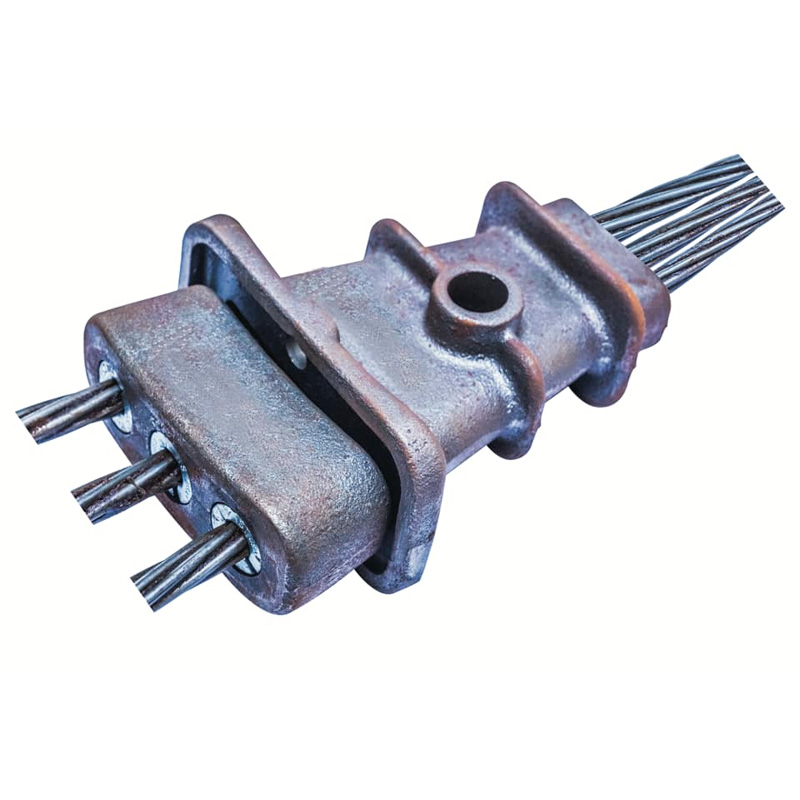
Table of Contents
- 1. What Is Post Tension Prestressed Flat Slab Anchorage?
- 2. Why Is Anchorage Critical in Post-Tensioned Flat Slabs?
- 3. Main Components of a Flat Slab Anchorage System
- 4. Bonded vs. Unbonded PT Anchorage Systems
- 5. Technical Specifications and Standards
- 6. Installation Process and Construction Workflow
- 7. Quality Control and Inspection Requirements
- 8. Advantages of Using High-Quality Anchorage Systems
- 9. Future Trends in Post-Tension Anchorage Technology
- 10. Frequently Asked Questions
1. What Is Post Tension Prestressed Flat Slab Anchorage?
Post tension prestressed flat slab anchorage refers to the mechanical device used to anchor high-strength steel strands in post-tensioned concrete slab systems. It transfers tensile force from the prestressing tendon into the surrounding concrete after stressing operations are completed.
In a flat slab system (without beams), anchorage is typically embedded at slab edges or inside stressing pockets. Once the tendon is tensioned using hydraulic jacks, wedges inside the anchorage head grip the strand permanently, locking the force into the concrete.
2. Why Is Anchorage Critical in Post-Tensioned Flat Slabs?
Anchorage is the final force-transferring element in a prestressed system. If anchorage fails, the entire slab’s structural integrity may be compromised.
Key Structural Functions
- Transfers prestressing force safely into concrete
- Prevents strand slippage after tensioning
- Distributes concentrated stress evenly
- Ensures long-term structural stability
In modern high-rise construction, flat slab systems reduce floor thickness and increase architectural flexibility. However, they depend heavily on reliable anchorage hardware to maintain safety margins.
3. Main Components of a Flat Slab Anchorage System
A typical post-tension anchorage assembly includes:
| Component | Function |
|---|---|
| Anchor Head (Barrel) | Houses wedges and transfers force to bearing plate |
| Wedges | Grip and lock the prestressing strand |
| Bearing Plate | Distributes stress into concrete surface |
| Spiral Reinforcement | Prevents concrete bursting failure |
| Duct or Sheath | Protects tendon and allows tensioning |
At Supreme Machinery, anchorage components are manufactured using high-grade alloy steel and undergo precision machining and strict quality control to ensure consistent wedge seating performance.
4. Bonded vs. Unbonded PT Anchorage Systems
Unbonded System
- Common in building flat slabs
- Uses grease-coated and sheathed monostrand
- Anchorage located at slab edges
Bonded System
- Common in bridges and heavy structures
- Grouted ducts after stressing
- Provides higher redundancy
The choice depends on structural design requirements, load conditions, and maintenance considerations.
5. Technical Specifications and Standards
High-quality anchorage systems must comply with international standards such as:
- ETAG 013 (European Technical Approval Guideline)
- ASTM A416 (Prestressing Steel Strand)
- ACI 318 (Building Code Requirements for Structural Concrete)
Important technical parameters include:
| Parameter | Typical Value |
|---|---|
| Strand Diameter | 12.7 mm / 15.2 mm |
| Ultimate Tensile Strength | ≥ 1860 MPa |
| Wedge Hardness | HRC 58–62 |
| Anchorage Efficiency | ≥ 95% |
6. Installation Process and Construction Workflow
- Install tendon ducts and reinforcement
- Position anchorage head and bearing plate
- Pour and cure concrete
- Insert hydraulic jack and tension strand
- Lock wedges into anchor head
- Cut excess strand and seal pocket
Proper installation ensures correct load transfer and long-term durability.
7. Quality Control and Inspection Requirements
- Dimensional tolerance inspection
- Hardness and tensile testing
- Static load test verification
- Corrosion resistance assessment
- Non-destructive testing (NDT)
Reputable manufacturers like Supreme Machinery conduct full-cycle inspection before shipment to ensure compliance and safety.
8. Advantages of Using High-Quality Anchorage Systems
- Improved slab load capacity
- Reduced concrete thickness
- Lower material consumption
- Enhanced crack control
- Longer service life
Investing in reliable anchorage hardware significantly reduces structural risks and lifecycle costs.
9. Future Trends in Post-Tension Anchorage Technology
The industry is moving toward:
- Corrosion-resistant coatings
- Smart monitoring anchorage systems
- High-efficiency wedge geometry designs
- Environmentally sustainable production methods
Continuous innovation ensures that flat slab systems remain competitive in sustainable construction.
10. Frequently Asked Questions
Q1: What is the difference between flat slab and beam slab in PT systems?
Flat slabs eliminate beams, reducing structural depth and improving architectural flexibility.
Q2: How long does a PT anchorage system last?
With proper installation and corrosion protection, it can last the lifetime of the structure.
Q3: Can anchorage systems be reused?
No. PT anchorage components are designed for permanent structural use.
Q4: Why is wedge hardness important?
Proper hardness ensures secure gripping of the strand without slippage.
Conclusion
Post tension prestressed flat slab anchorage is the backbone of modern prestressed concrete slab systems. From safety and structural performance to economic efficiency, high-quality anchorage hardware ensures optimal load transfer and long-term durability.
If you are looking for reliable, precision-engineered anchorage solutions for your next project, Supreme Machinery offers professional manufacturing, strict quality control, and global supply capability.
Contact us today to learn more about our post tension prestressed flat slab anchorage solutions and get a customized quotation for your project.
Send Inquiry



X
We use cookies to offer you a better browsing experience, analyze site traffic and personalize content. By using this site, you agree to our use of cookies.
Privacy Policy