The influence of graphite morphology in cast iron on performance
When the graphite in cast iron is flake-shaped, it is equivalent to embedding a large amount of graphite into the steel matrix, which is equivalent to having many cracks in the steel matrix. Because graphite has very low strength, plasticity, and toughness, the mechanical properties of cast iron are relatively poor; when the graphite in cast iron is spherical, the cutting effect and stress concentration of the spherical graphite on the steel matrix are greatly reduced, and the mechanical properties are significantly improved; when the graphite in cast iron is in a rosette shape, the cutting effect of rosette-shaped graphite on the matrix decreases, and the mechanical properties are better than those of gray cast iron.
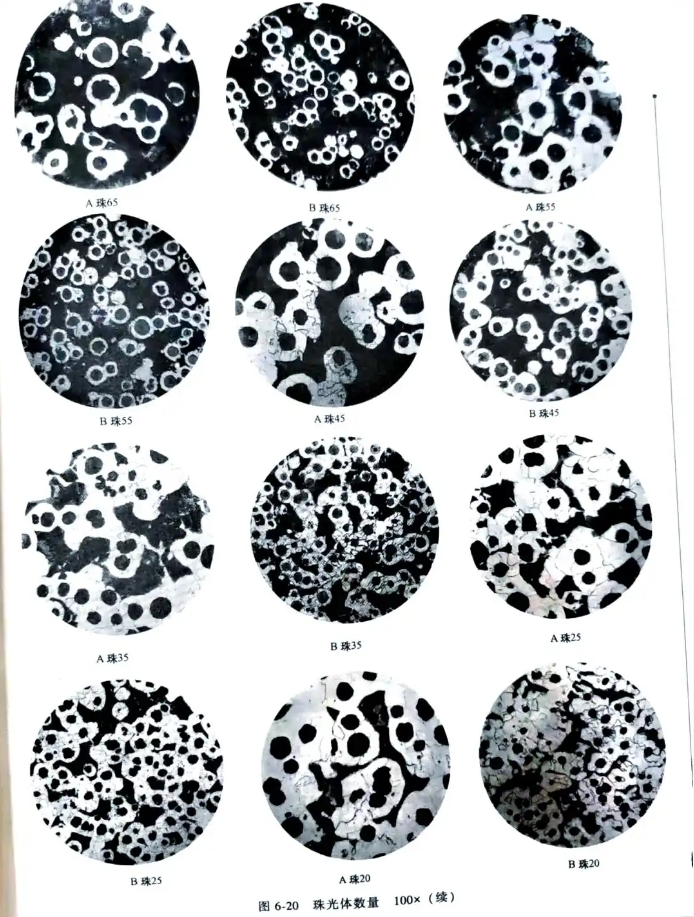
The shape of graphite in cast iron has a significant impact on its properties. Graphite is an important phase in cast iron, and its shape, size, and distribution all affect the physical and chemical properties of cast iron. The presence of graphite leads to a decrease in the strength and hardness of cast iron, while its plasticity and toughness increase. This is because graphite itself is a soft mineral, and its presence weakens the continuity of the cast iron matrix, thereby reducing the overall strength of the material. At the same time, the presence of graphite also makes cast iron more easily deformable, thus enhancing its plasticity and toughness.
Send Inquiry



X
We use cookies to offer you a better browsing experience, analyze site traffic and personalize content. By using this site, you agree to our use of cookies.
Privacy Policy