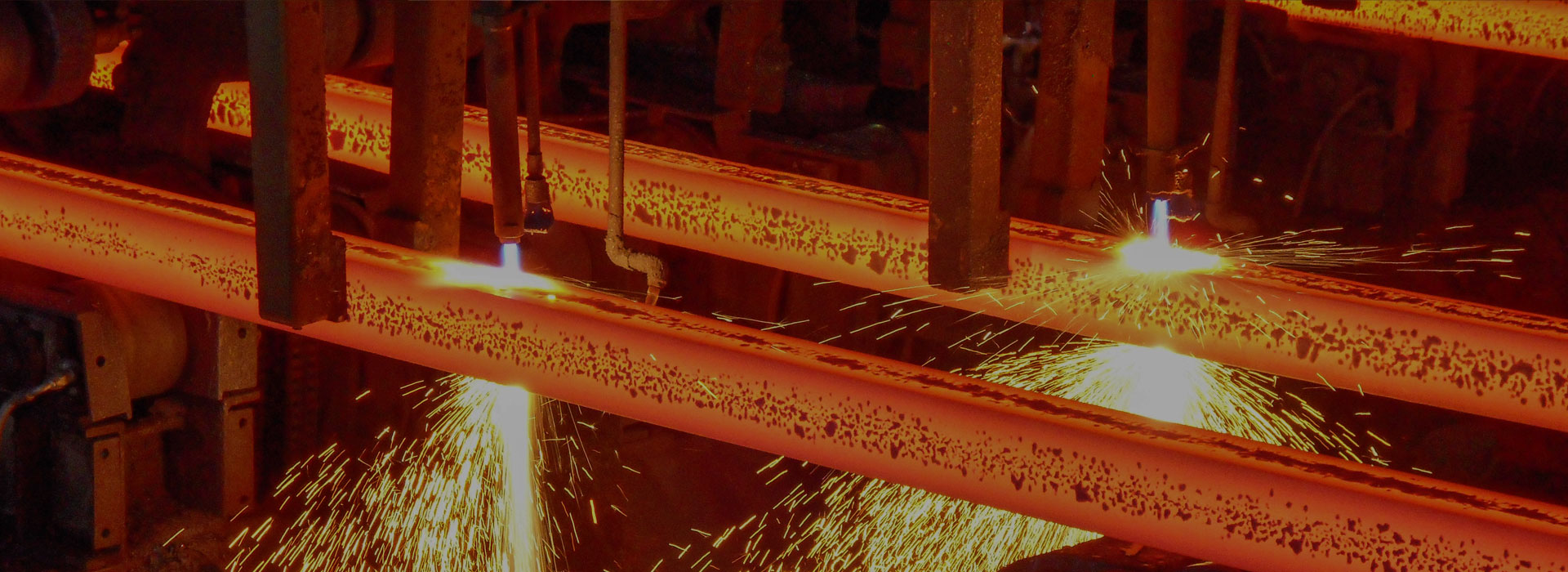
How Can Ductile Iron Casting Reduce Risk in Heavy-Duty Component Sourcing?
Article Summary
Choosing ductile iron casting is rarely just a material decision. For buyers, engineers, and procurement teams, the real concern is whether a cast component can survive load, vibration, wear, field impact, machining, assembly, and long service cycles without creating hidden cost. This article explains how ductile iron casting supports heavy-duty component sourcing, what problems it helps solve, which details buyers should confirm before ordering, and how a capable manufacturing partner can reduce uncertainty from drawing review to final shipment.
Table of Contents
- Article Outline
- Why sourcing heavy-duty cast parts becomes risky
- What makes ductile iron casting suitable for demanding parts
- Common buyer pain points in ductile iron casting projects
- Practical selection table for buyers
- What to check before choosing a casting supplier
- Where ductile iron casting is commonly used
- How process control affects final part reliability
- FAQ
- Final thoughts
Article Outline
- The procurement risk behind load-bearing cast components
- The mechanical advantages of ductile iron casting
- How material grade, drawing review, machining allowance, and inspection affect project results
- A buyer-friendly comparison table for sourcing decisions
- Supplier evaluation points for international buyers
- Frequently asked questions before placing an order
Why Heavy-Duty Casting Projects Often Go Wrong Before Production Starts
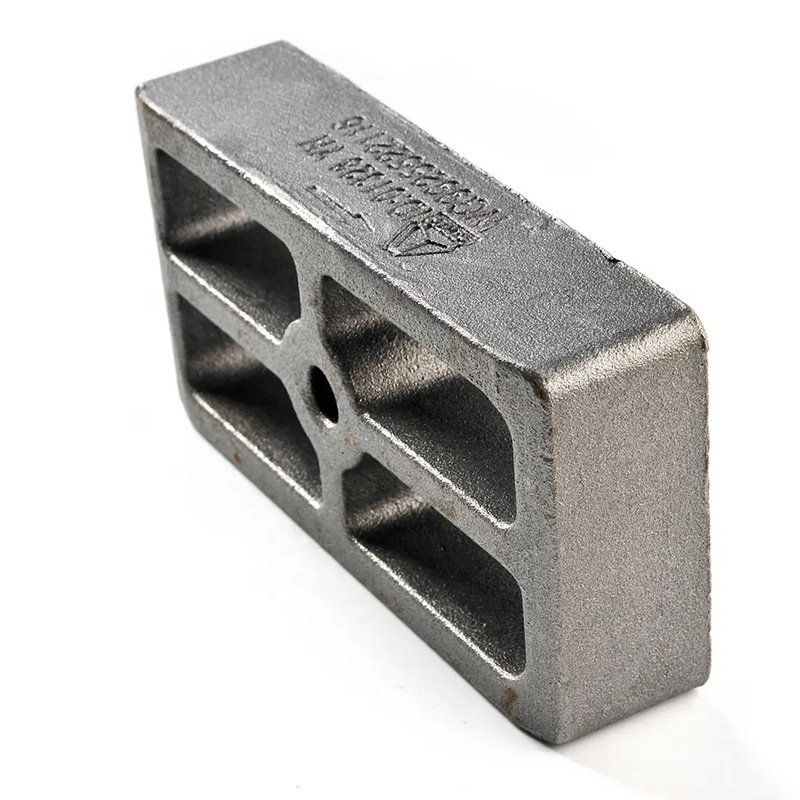
A heavy-duty component may look simple on a drawing, but the sourcing process behind it is not simple at all. A bracket, housing, hub, valve body, cylinder part, or machinery base may need to carry repeated load, absorb impact, resist wear, hold tight dimensions after machining, and still remain cost-effective for batch production. When the wrong material or supplier is selected, the problem may not appear during the first visual inspection. It may appear months later as cracking, poor fit, machining waste, assembly delay, oil leakage, unstable vibration performance, or premature field failure.
This is why ductile iron casting is often considered by buyers who need more toughness than ordinary gray iron can offer, but who also want a more economical route than many steel casting or fully machined steel solutions. The material itself is not magic. The real value comes from the combination of material behavior, suitable casting method, controlled melting, proper nodularization, careful mold design, machining planning, and inspection discipline.
For procurement teams, the central question is not only “Can the supplier cast this shape?” A better question is “Can the supplier understand the working condition of this part and control the risks that affect performance?” That shift in thinking can prevent a cheap quotation from becoming an expensive mistake.
What Makes Ductile Iron Casting Useful for Demanding Components
Ductile iron casting is valued because its graphite structure gives it a different performance profile from traditional gray cast iron. Instead of flake-like graphite that can create easier crack paths, ductile iron contains nodular graphite. This structure helps improve strength, toughness, elongation, and impact resistance, making the material suitable for many components that must carry load or work under repeated mechanical stress.
Buyers often choose ductile iron casting when they need a balance between performance and manufacturability. It can be cast into complex shapes, which helps reduce welding, excessive machining, and multi-piece assembly. At the same time, it can offer reliable mechanical properties when the grade is selected correctly and the casting process is controlled properly.
In practical sourcing, this balance matters. A component may need ribs, bosses, mounting holes, curved surfaces, internal cavities, or thick-to-thin wall transitions. Producing such geometry from billet steel may create high machining cost and long production time. Ductile iron casting allows the part to be formed closer to the required shape, leaving machining only where precision is truly needed.
- Strength: suitable for load-bearing parts in machinery, vehicles, hydraulic systems, and industrial equipment.
- Toughness: better resistance to shock and sudden load than many ordinary cast iron solutions.
- Design flexibility: complex shapes can be formed through casting instead of heavy fabrication.
- Cost control: near-net-shape production can reduce machining time and material waste.
- Wear performance: suitable for many working parts exposed to friction or repeated contact.
Where Buyers Usually Feel the Most Pressure
Most buyers do not struggle because they lack suppliers. They struggle because too many suppliers say “yes” before understanding the actual working condition of the part. A drawing alone may not show the full story. Load direction, impact frequency, assembly method, machining datum, coating requirements, tolerance stack-up, and inspection standards all influence whether a ductile iron casting project succeeds.
One common pain point is grade confusion. International buyers may use ASTM, EN, ISO, JIS, GB, or other standards. If the supplier does not understand the equivalent grade clearly, the quotation may be based on the wrong material. That mistake can affect tensile strength, yield strength, elongation, hardness, machinability, and service life.
Another common problem is poor drawing communication. Some casting defects are not caused by careless production alone. They may begin with an unrealistic wall thickness, sharp corner, weak transition, unsuitable draft angle, or insufficient machining allowance. A good supplier should be willing to review these risks before tooling starts.
Buyers also worry about consistency. A first sample may pass, but the second or third batch must perform the same way. For repeat orders, stable process records, material testing, dimensional inspection, and packaging control become just as important as the first successful casting.
Practical Selection Table for Ductile Iron Casting Buyers
Before confirming an order, buyers can use the following table to clarify the most important sourcing points. This does not replace engineering review, but it helps reduce avoidable misunderstanding during quotation and production.
| Buyer Concern | Why It Matters | What to Confirm Before Ordering |
|---|---|---|
| Material grade | The wrong grade may lead to weak strength, poor elongation, or unsuitable hardness. | Confirm standard, equivalent grade, mechanical properties, hardness range, and test method. |
| Working condition | A static bracket and an impact-loaded suspension component do not face the same risk. | Share load direction, vibration, temperature, contact surface, and safety-critical areas. |
| Casting process | Different molding methods affect surface finish, dimensional control, cost, and batch stability. | Discuss sand casting, automatic molding, resin sand casting, shell molding, or other suitable routes. |
| Machining allowance | Too little allowance may expose casting defects; too much allowance raises cost. | Mark machining areas, datum surfaces, tolerance requirements, and critical dimensions clearly. |
| Inspection plan | Visual inspection alone is not enough for many load-bearing components. | Confirm dimensional report, material certificate, hardness test, tensile test, and other checks if needed. |
| Packaging and shipment | Heavy castings may be damaged by poor stacking, rust, or vibration during transport. | Confirm anti-rust treatment, pallet design, carton or crate method, and shipment protection. |
What a Reliable Supplier Should Help You Clarify
A capable ductile iron casting supplier should not only quote by weight. Weight is important, but it is not the full cost picture. A quote that ignores tooling, rejection risk, machining difficulty, inspection needs, and packaging can look attractive at first and become painful later.
Ningbo Supreme Machinery Co.,Ltd. works with ductile iron casting projects where buyers often need support beyond basic production. For international sourcing, the supplier’s ability to communicate clearly is especially important. Drawings may come from different countries, standards may vary, and the final product may be used in machinery, automotive, agricultural, hydraulic, construction, or industrial systems.
Buyers should look for a supplier that can discuss the following points before production begins:
- Whether the selected material grade matches the part’s load and working environment
- Whether the drawing needs small casting-friendly adjustments
- Whether the required tolerance should be achieved by casting, machining, or both
- Whether sample approval should include machining trial or assembly trial
- Whether the surface treatment and anti-rust protection fit the shipment and storage conditions
- Whether batch inspection records can be provided for long-term purchasing confidence
The best supplier conversations often happen before tooling. Once tooling begins, every unclear detail becomes more expensive to change. A practical review at the beginning can save weeks of correction later.
Where Ductile Iron Casting Is Commonly Used
Ductile iron casting is widely used in parts that need strength, shape complexity, and stable production cost. Because the material can handle demanding mechanical conditions, it appears in many industries where cast components must do real work rather than simply hold appearance.
Common applications include machinery housings, bearing housings, wheel hubs, brackets, valve bodies, hydraulic cylinder parts, agricultural machinery components, vehicle suspension parts, brake-related components, pipe fittings, pump components, and construction equipment parts. The exact material grade and process route should always be chosen based on the part’s function, not only by industry name.
For example, a valve body may need pressure resistance and accurate machining surfaces. A wheel hub may need fatigue resistance and dimensional stability. A hydraulic cylinder part may need strength, sealing surface precision, and good machinability. A machinery base may need vibration damping, stable geometry, and a cost-effective structure. These parts can all fall under ductile iron casting, but their production priorities are not identical.
How Process Control Changes the Final Result
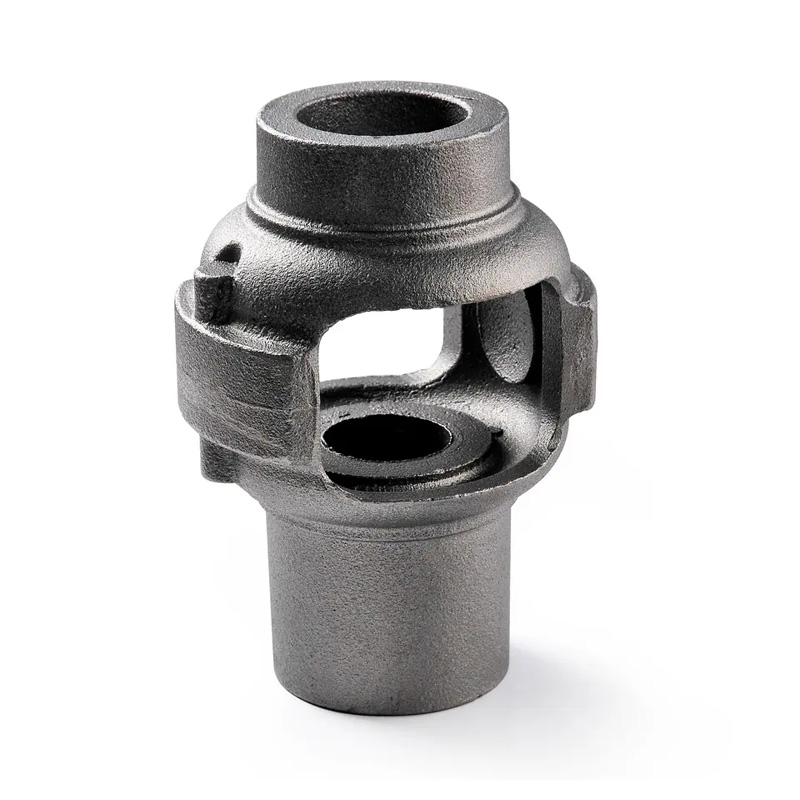
Many buyers compare ductile iron casting suppliers by unit price, but the better comparison is process control. The visible casting is only the final result of many earlier decisions: raw material control, melting temperature, nodularizing treatment, inoculation, mold design, pouring system, cooling behavior, shakeout timing, cleaning, heat treatment when required, machining, inspection, and packaging.
Small errors in these steps can create large consequences. Poor nodularization may reduce mechanical performance. Unbalanced gating may cause shrinkage or porosity. Weak mold design may create dimensional instability. Inadequate cleaning may increase machining difficulty. Poor packaging may damage surfaces after the parts have already passed inspection.
For this reason, buyers should not be shy about asking direct questions. What casting method will be used? How will the material be tested? Which dimensions are critical? What defects are unacceptable? What is the sampling rule? How are non-conforming parts handled? How will the parts be packed for ocean shipment or air freight?
A supplier that can answer these questions clearly is easier to work with than one that only says the part is “no problem.” In casting, “no problem” is not a process plan. A clear process plan is what gives buyers confidence.
How to Prepare a Better Inquiry for Ductile Iron Casting
A well-prepared inquiry can improve quotation speed and reduce technical back-and-forth. Buyers do not need to write a long technical report, but several details are extremely helpful.
- Send 2D drawings and 3D files if available.
- Mark the required material grade and standard.
- Identify machined surfaces and tolerance requirements.
- Explain the part’s working environment and load condition.
- Share annual quantity, batch quantity, and target delivery plan.
- Confirm whether surface treatment, painting, coating, or anti-rust oil is required.
- State whether inspection reports, material certificates, or sample approval documents are needed.
These details help the supplier quote the real project instead of guessing. They also protect the buyer from vague pricing that may later change after technical review.
FAQ
Q1: Is ductile iron casting stronger than gray iron casting?
In many load-bearing applications, ductile iron casting offers better strength, toughness, and elongation than gray iron casting. Gray iron still has advantages in vibration damping and machinability for certain uses, so the better choice depends on the part’s function.
Q2: Can ductile iron casting replace steel casting?
Sometimes it can, especially when the buyer wants a balance of strength, castability, and cost. However, steel casting may still be preferred for certain high-temperature, high-impact, or special alloy requirements. Engineering review is necessary before replacement.
Q3: What information should I provide for a quotation?
A drawing, material grade, quantity, machining requirements, surface treatment, inspection needs, and working condition are the most useful details. If you have a sample or previous casting problem, sharing that information can also help.
Q4: Why does the same ductile iron casting have different prices from different suppliers?
Price may vary because of material grade, casting method, tooling design, rejection risk, machining difficulty, inspection requirements, packaging method, order quantity, and delivery schedule. A lower unit price is not always lower total cost.
Q5: Can ductile iron castings be machined after casting?
Yes. Many ductile iron castings are machined after casting to achieve accurate dimensions, sealing surfaces, threaded holes, bearing seats, or assembly interfaces. Machining allowance should be planned before tooling.
Q6: What industries commonly use ductile iron casting?
It is commonly used in automotive, agricultural machinery, hydraulic systems, construction equipment, pumps, valves, industrial machinery, and other heavy-duty component fields.
Final Thoughts on Choosing Ductile Iron Casting
Ductile iron casting is not only a manufacturing method. For many buyers, it is a way to control strength, shape, cost, and production repeatability in one sourcing decision. When the material grade is suitable, the drawing is reviewed carefully, the casting process is controlled, and inspection is properly planned, ductile iron casting can support reliable heavy-duty components across many industries.
The safest sourcing path is not always the cheapest quotation. It is the quotation backed by technical review, realistic production planning, clear communication, and stable quality control. Buyers who treat casting as an engineering decision rather than a simple purchasing item are more likely to avoid hidden risk and build a reliable supply chain.
Ready to Discuss Your Ductile Iron Casting Project?
If you are comparing materials, reviewing drawings, replacing an existing cast part, or looking for a dependable production partner, Ningbo Supreme Machinery Co.,Ltd. can help you evaluate the details before production begins. Share your drawings, material requirements, quantity plan, and application conditions with our team, and we will help you move from uncertainty to a clearer sourcing decision. For technical support, quotation details, or custom casting discussion, please contact us today.
Send Inquiry



X
We use cookies to offer you a better browsing experience, analyze site traffic and personalize content. By using this site, you agree to our use of cookies.
Privacy Policy