What Makes Post Tension Anchorage Reliable for Long-Span Concrete Projects?
Article Summary
Post Tension Anchorage plays a quiet but decisive role in modern concrete construction. For contractors, bridge builders, precast producers, and structural engineers, the main concern is rarely whether post-tensioning can improve performance. The harder question is whether the anchorage system can hold force safely, remain stable during stressing, simplify installation, and reduce long-term risk. This article explains how Post Tension Anchorage works, why material quality matters, what problems buyers should avoid, and how a dependable supplier such as Ningbo Supreme Machinery Co.,Ltd. can support demanding construction projects with practical, well-matched anchorage solutions.
Table of Contents
- Article Outline
- What Is Post Tension Anchorage in Real Construction Use?
- What Problems Does a Poor Anchorage System Create?
- What Components Should Buyers Understand Before Ordering?
- What Should Be Checked Before Choosing Post Tension Anchorage?
- What Projects Commonly Require Post Tension Anchorage?
- What Makes a Manufacturer More Reliable?
- What Is the Difference Between Bonded and Unbonded Systems?
- FAQ About Post Tension Anchorage
- Contact Us for Project Support
Article Outline
This article begins with the practical function of Post Tension Anchorage, then moves into common buyer concerns, including fit, strength, material selection, installation convenience, and system compatibility. It also explains the difference between bonded and unbonded post-tensioning, lists important purchasing checks, and answers common questions from contractors and engineering buyers.
- Understanding the role of anchorage in prestressed concrete structures
- Identifying hidden risks caused by weak or mismatched anchorage parts
- Reviewing common components such as anchor head, wedge, bearing plate, duct, and reinforcement accessories
- Comparing bonded and unbonded post-tensioning applications
- Choosing a supplier that understands casting, machining, quality inspection, and export requirements
What Is Post Tension Anchorage in Real Construction Use?
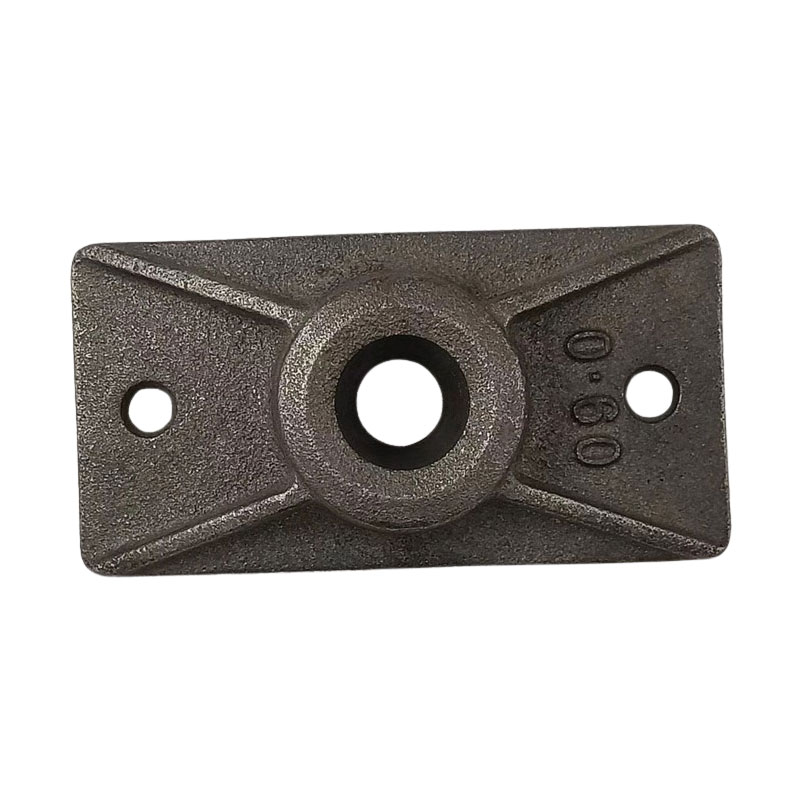
Post Tension Anchorage is the mechanical system used to lock and transfer prestressing force from high-strength steel strands into a concrete structure after the concrete has reached the required strength. In simple terms, it is the part of the post-tensioning system that keeps the tendon force where the engineer designed it to be.
In a post-tensioned structure, steel strands are placed inside ducts or sheaths before or during concrete casting. After the concrete hardens, hydraulic jacks stretch the strands to a specified force. The anchorage then grips the strands and transfers this force into the concrete through the anchor head, wedges, bearing plate, and surrounding reinforcement. Without a reliable anchorage system, the benefits of post-tensioning cannot be fully realized.
For buyers, this means Post Tension Anchorage is not just a small accessory. It directly affects load transfer, crack control, deflection control, long-span performance, and construction safety. A bridge deck, parking structure, slab, beam, tunnel segment, or precast member may look strong from the outside, but the quality of the anchorage system determines whether the internal prestressing force remains dependable over time.
A good anchorage system should not only hold force. It should also be easy to install, compatible with strand size, stable during stressing, resistant to deformation, and suitable for the project environment.
What Problems Does a Poor Anchorage System Create?
Many construction buyers only discover anchorage problems after materials arrive on site. By then, the project schedule is already under pressure. A small dimensional mismatch can delay stressing work. A weak casting can create safety concerns. A poorly machined wedge seat may affect strand gripping. These are not minor inconveniences when cranes, workers, concrete crews, and inspection teams are waiting.
The most common pain points include inconsistent dimensions, rough casting surfaces, poor wedge engagement, unclear product matching, insufficient technical communication, and uncertain material quality. In post-tensioning work, every part must cooperate. If the strand, wedge, anchor head, bearing plate, duct, and stressing jack do not match properly, installation becomes slower and riskier.
| Buyer Pain Point | Possible Consequence | What to Check Before Ordering |
|---|---|---|
| Incorrect strand compatibility | Wedges may not grip properly or stressing may fail inspection | Confirm strand diameter, strand quantity, and anchorage model |
| Unstable casting quality | Cracking, deformation, or reduced service confidence | Ask about material, casting process, and inspection control |
| Poor dimensional control | Difficult installation and site delays | Confirm drawings, tolerance expectations, and sample availability |
| Weak supplier communication | Wrong model selection or missing accessories | Share project type, strand size, duct type, and application scenario |
| Low corrosion consideration | Higher long-term maintenance risk | Check whether bonded or unbonded system protection is required |
A dependable Post Tension Anchorage supplier should help reduce these risks before production starts. For example, Ningbo Supreme Machinery Co.,Ltd. works in casting-related manufacturing and supplies anchorage products for construction applications where reliable load transfer and practical installation are important. For buyers, that experience matters because anchorage production is not only about selling a standard part. It is about understanding how the part behaves inside a complete post-tensioning system.
What Components Should Buyers Understand Before Ordering?
A Post Tension Anchorage system usually includes several cooperating parts. The exact configuration depends on whether the project uses bonded multi-strand anchorage, flat slab anchorage, curved flat anchorage, or unbonded monostrand anchorage. Still, the basic working principle remains similar: grip the strand, transfer the force, and keep the tendon securely anchored.
- Anchor head: The main force-bearing component that receives the strand and wedge.
- Anchor wedge: A gripping part that locks the steel strand after stressing.
- Bearing plate: A load distribution component that helps transfer force into concrete.
- Spiral reinforcement: Reinforcement used around the anchorage zone to manage local bursting stress.
- Duct or sheath: A channel that houses the tendon and supports bonded or unbonded system requirements.
- PC strand: The high-strength steel tendon that is stressed to create compression in the concrete.
When buyers request a quotation, they should avoid sending only a product name. “Post Tension Anchorage” can refer to several product forms, and each form may require different strand quantities, anchor sizes, duct dimensions, and accessories. A better inquiry includes the strand diameter, strand number, application type, drawing if available, required quantity, and project schedule.
What Should Be Checked Before Choosing Post Tension Anchorage?
Selecting Post Tension Anchorage is not about choosing the cheapest part from a catalog. It is about matching the anchorage to the real working conditions of the structure. A product that performs well in one slab project may not be the best option for a bridge, curved member, transfer beam, or precast segment.
Buyers should begin with the design requirements. The anchorage must suit the tendon layout, stressing method, concrete strength, duct type, and available installation space. For flat slab construction, compact anchorage design may help save space and improve installation efficiency. For bridge and infrastructure projects, load capacity, durability, and long-term force retention are often more important.
| Selection Factor | Why It Matters | Practical Buyer Question |
|---|---|---|
| Material | Material affects strength, toughness, casting stability, and service reliability | Is the anchorage made from suitable ductile iron or specified cast material? |
| Strand diameter | Incorrect matching may affect gripping performance | Does the system match 12.7 mm, 15.2 mm, 15.7 mm, or another strand size? |
| Strand quantity | Different projects may require mono, flat, or multi-strand arrangements | How many strands will each anchorage hold? |
| Construction method | Bonded and unbonded systems require different protection logic | Will the tendon be grouted, greased, sheathed, or left unbonded? |
| Installation space | Compact zones require accurate anchorage geometry | Is there enough room for stressing equipment and anchorage placement? |
| Supplier support | Clear communication reduces wrong orders and site rework | Can the supplier review basic project information before production? |
A responsible purchasing process also considers documentation. Buyers may need drawings, product photos, packing details, inspection records, or sample confirmation. For export projects, packaging must protect heavy anchorage components during long-distance transportation. A scratched surface may not always affect structural performance, but poor packing can create confusion, corrosion concerns, and unnecessary complaints after delivery.
What Projects Commonly Require Post Tension Anchorage?
Post Tension Anchorage is widely used in concrete structures where engineers need better control over tension, deflection, cracking, span length, or structural efficiency. The system allows concrete to perform more effectively by introducing compression through stressed steel tendons.
In building construction, post-tensioning can help create thinner slabs, longer spans, and more flexible column layouts. This is especially useful in parking structures, commercial buildings, high-rise floors, transfer beams, and podium slabs. In infrastructure, post-tensioning is common in bridges, viaducts, tunnels, rail projects, retaining structures, and precast concrete segments.
- Bridge decks and bridge girders
- Commercial building slabs and long-span floor systems
- Parking garages and elevated slabs
- Precast concrete beams, panels, and segments
- Transfer beams and heavy-load structural members
- Tunnel linings and special concrete structures
- Curved concrete members requiring flat or arc anchorage solutions
The key advantage is not only strength. For contractors, the value often appears in schedule control, reduced material waste, more efficient structural depth, and better crack management. However, these benefits depend heavily on correct installation and reliable anchorage performance. A low-quality anchorage system can weaken the economic advantage of the entire post-tensioning design.
What Makes a Manufacturer More Reliable?
A reliable manufacturer understands both production and application. Post Tension Anchorage requires consistent casting, controlled machining, practical dimensional accuracy, and careful matching with wedges and strands. Buyers should look for a supplier that can discuss technical details instead of only offering a price list.
Ningbo Supreme Machinery Co.,Ltd. is connected with casting and anchorage manufacturing, which is valuable for buyers who need stable supply and practical product communication. Since many anchorage components rely on cast structures, manufacturing experience can influence surface quality, strength consistency, and delivery reliability. For construction projects where delays are expensive, supplier stability becomes part of the product value.
Buyers should pay attention to the following signs when evaluating a supplier:
- The supplier can explain available anchorage types and their suitable applications.
- The supplier asks for strand diameter, strand quantity, project use, and drawings before confirming details.
- The supplier understands casting material selection and anchorage geometry.
- The supplier can provide product images, specifications, and packing information clearly.
- The supplier communicates realistic production and delivery timelines.
- The supplier avoids vague claims and focuses on practical project matching.
The best buying decision is usually made before the order is placed. When the supplier and buyer clarify technical needs early, both sides reduce the chance of wrong models, missing components, installation delays, and avoidable cost increases.
What Is the Difference Between Bonded and Unbonded Systems?
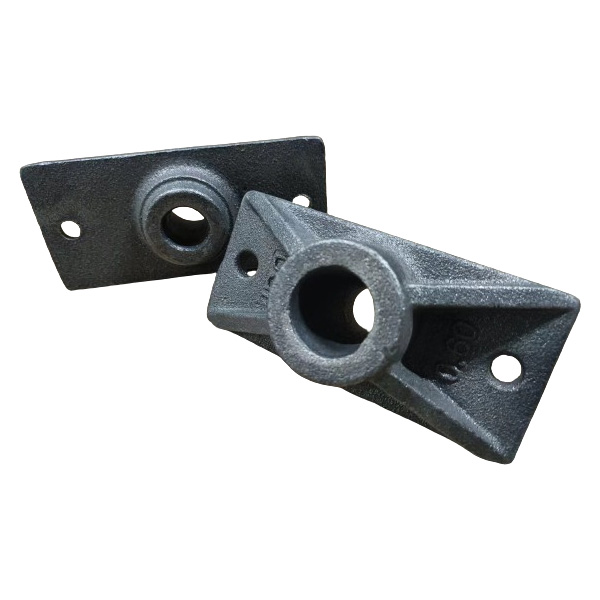
Bonded and unbonded post-tensioning systems use different methods to protect and transfer tendon performance. The choice affects anchorage configuration, installation workflow, corrosion protection, inspection requirements, and long-term maintenance strategy.
| System Type | Basic Description | Common Use | Buyer Focus |
|---|---|---|---|
| Bonded post-tensioning | Strands are placed inside ducts and bonded to concrete through grout after stressing | Bridges, beams, transportation structures, heavy concrete members | Duct compatibility, grouting quality, anchorage zone reinforcement, corrosion protection |
| Unbonded post-tensioning | Each strand is usually protected with grease and sheathing, allowing local movement relative to concrete | Building slabs, parking structures, elevated slabs, mat foundations | Monostrand anchorage, sheath condition, strand protection, installation speed |
| Flat slab anchorage | Compact anchorage form used where slab thickness and space are limited | Flat slab structures and building floors | Flat duct size, anchor head shape, stressing access, installation efficiency |
| Curved or arc anchorage | Anchorage designed for special geometry or curved concrete members | Curved bridges, tunnels, special structural forms | Geometry matching, load path, drawing confirmation, project-specific dimensions |
Neither system is automatically better in every case. Bonded systems are often selected for major infrastructure and structures requiring tendon bonding through grout. Unbonded systems are often chosen when installation speed, flexibility, and slab efficiency are important. The correct choice depends on engineering design, local construction practice, environmental exposure, and inspection requirements.
FAQ About Post Tension Anchorage
What information should I provide when requesting a Post Tension Anchorage quotation?
You should provide the strand diameter, number of strands, anchorage type, project application, drawing if available, quantity, destination country, and required delivery time. These details help the supplier recommend a more accurate product instead of guessing from a general product name.
Is ductile iron suitable for Post Tension Anchorage components?
Ductile iron is commonly used for certain anchorage components because it offers useful strength and casting performance when produced under controlled conditions. The final suitability depends on the anchorage design, project specification, and required performance level.
Do bonded and unbonded anchorage systems use the same parts?
Not always. Bonded systems and unbonded systems may require different anchorage forms, ducts, wedges, protection methods, and installation accessories. Buyers should confirm the system type before placing an order.
Can Post Tension Anchorage be customized?
Some anchorage dimensions, configurations, or related casting parts may be discussed according to drawings and project requirements. Customization should be reviewed carefully because anchorage parts must match structural design and stressing equipment.
Why is supplier communication so important for anchorage products?
Because a small mismatch can delay installation or create safety concerns. Good communication helps confirm strand size, anchorage model, wedge matching, duct dimensions, packing needs, and delivery expectations before production begins.
How can I reduce the risk of buying the wrong anchorage system?
Share drawings, technical specifications, photos of the required type, and project use details with the supplier. Avoid relying only on a product name. A clear inquiry allows the supplier to check compatibility before quotation and production.
What Should Buyers Do Before Confirming an Order?
Before confirming an order, buyers should review the complete anchorage system rather than only checking the unit price. The right Post Tension Anchorage should match the structural design, strand size, construction method, and project schedule. It should also come from a supplier that can communicate clearly and support the order with practical product knowledge.
For contractors and procurement teams, a stable anchorage supply can make the difference between smooth stressing work and costly site delays. When the product is selected correctly, installation becomes more predictable, inspection becomes easier, and the structure gains the intended benefit of post-tensioning.
Ready to Discuss Your Post Tension Anchorage Requirement?
If you are sourcing Post Tension Anchorage for a bridge, slab, precast concrete member, tunnel, or other prestressed concrete project, Ningbo Supreme Machinery Co.,Ltd. can help review your basic requirements and recommend a suitable product direction. Send your strand size, drawing, quantity, and project details to our team. For a faster quotation and clearer technical communication, please contact us today and let us help you move your project forward with confidence.
Send Inquiry



X
We use cookies to offer you a better browsing experience, analyze site traffic and personalize content. By using this site, you agree to our use of cookies.
Privacy Policy