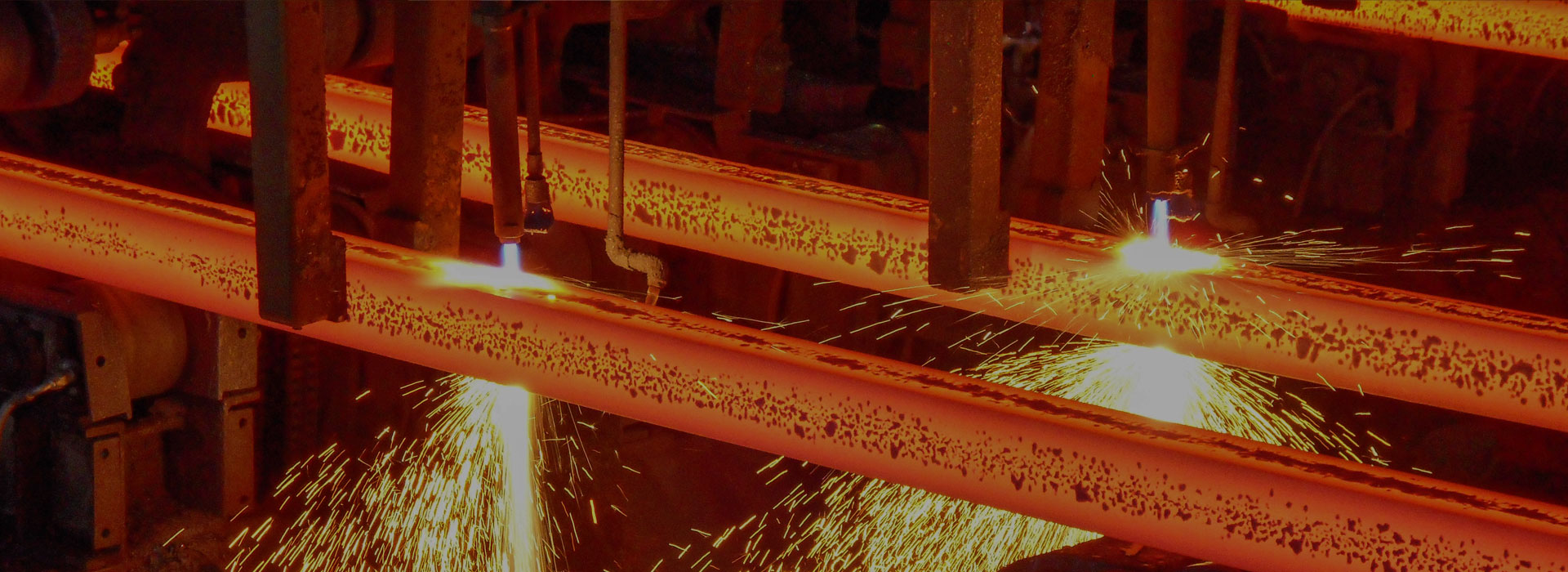
What Makes Stainless Steel Casting a Smarter Choice for Complex Metal Parts?
Article Summary
Stainless Steel Casting is often selected when a metal part must combine corrosion resistance, strength, dimensional reliability, and shape complexity. For buyers, the real challenge is not simply finding a casting supplier; it is understanding whether the process can reduce machining waste, handle demanding environments, and keep quality stable across repeat orders. This article explains how Stainless Steel Casting works, where it performs well, how to choose suitable grades, and what procurement teams should check before placing an order with a manufacturing partner such as Ningbo Supreme Machinery Co.,Ltd.
Table of Contents
- Why does Stainless Steel Casting matter for industrial buyers?
- What problems can Stainless Steel Casting solve?
- How does the Stainless Steel Casting process support complex designs?
- Which stainless steel grades should buyers consider?
- Where is Stainless Steel Casting commonly used?
- How does Stainless Steel Casting compare with machining?
- What should buyers check before choosing a supplier?
- FAQ
- Conclusion
Article Outline
- Define Stainless Steel Casting from a buyer’s perspective.
- Explain the pain points it solves in real procurement situations.
- Break down the process without using overly technical language.
- Compare common stainless steel grades and their practical uses.
- Provide selection guidance for industries such as pumps, valves, machinery, marine parts, and equipment components.
- Offer a supplier evaluation checklist for safer purchasing decisions.
Why does Stainless Steel Casting matter for industrial buyers?
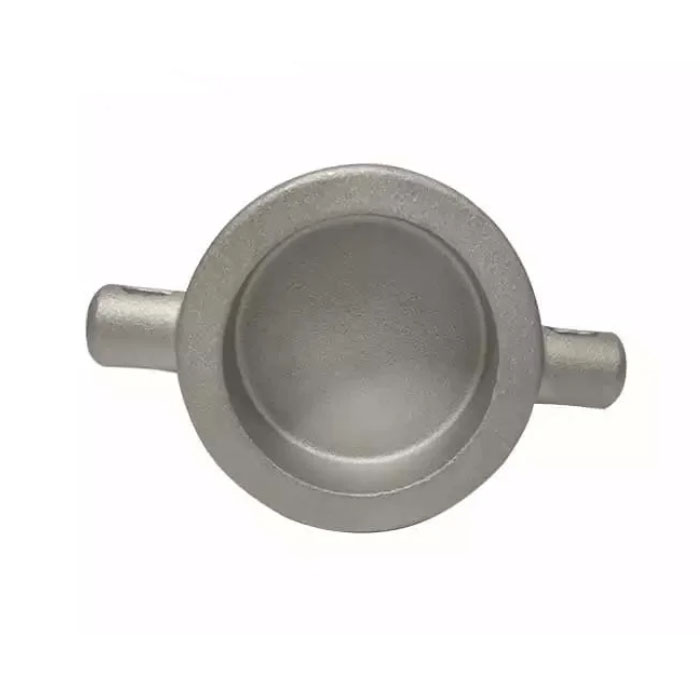
Many metal parts look simple on a drawing but become difficult once production begins. A buyer may need thin walls, curved surfaces, internal cavities, mounting holes, corrosion resistance, and repeatable dimensions in the same component. Traditional fabrication or heavy machining can meet some of these needs, but the cost often rises quickly when the part becomes irregular or when too much raw material must be removed.
Stainless Steel Casting gives manufacturers a practical way to form complex parts close to their final shape. Instead of cutting everything from a solid block, the casting process allows molten stainless steel to fill a prepared mold cavity. After cooling and finishing, the part can often require less machining than a fully machined alternative. For purchasing teams, that can mean better material use, fewer production steps, and more stable pricing when the design is suitable for casting.
The value of Stainless Steel Casting is especially clear in demanding environments. Stainless steel is known for resisting rust, moisture, chemicals, heat, and general wear better than many ordinary steels. When this material is combined with a casting process, buyers can receive parts that are both functionally strong and shaped for real assembly needs.
For companies sourcing from international suppliers, another advantage is flexibility. A casting partner can help produce valve handles, pump parts, housings, couplings, marine hardware, machine components, and other custom parts based on drawings or samples. Ningbo Supreme Machinery Co.,Ltd. works in this field with products related to investment casting, iron casting, and stainless steel casting solutions for industrial use.
What problems can Stainless Steel Casting solve?
Buyers usually do not search for Stainless Steel Casting because they want a process name. They search because something is not working well in their current supply chain. The part may corrode too fast. Machining may waste too much expensive material. A welded structure may fail at joints. A previous supplier may struggle with repeatability. These are practical problems, and casting must answer them in practical ways.
One common pain point is excessive machining cost. Stainless steel is not the cheapest raw material, and removing large amounts of it during CNC machining can create waste. When a component has a complex outer contour or non-standard geometry, near-net-shape casting may reduce the amount of material that needs to be cut away.
Another issue is design limitation. Some parts are hard to make from plate, bar, or tube because they include curves, bosses, ribs, holes, or different wall sections. Stainless Steel Casting allows these features to be considered earlier in the production route. When the mold and process are planned properly, complicated shapes become easier to repeat.
Corrosion is also a serious concern. In marine, pump, valve, food equipment, chemical, and outdoor machinery applications, a low-cost material may appear attractive at first but fail after exposure to moisture or aggressive media. Stainless steel grades such as 304, 316, 316L, 17-4 PH, and duplex stainless steel can be selected according to the required environment.
Buyers also care about consistency. A single sample may look acceptable, but the real test is batch production. Good Stainless Steel Casting requires control over wax patterns, mold preparation, pouring, cooling, cleaning, heat treatment, machining, inspection, and packaging. A supplier’s process discipline matters as much as the material itself.
- It can reduce material waste compared with heavy machining.
- It can support complex shapes that are difficult to fabricate.
- It can improve resistance to corrosion and harsh service conditions.
- It can help consolidate multiple welded pieces into one cast component.
- It can support repeat production when tooling and inspection are properly managed.
How does the Stainless Steel Casting process support complex designs?
Stainless Steel Casting is often linked with investment casting, also called lost wax casting. This method is widely used for stainless steel components because it can create fine details, smoother surfaces, and more accurate shapes than many rough casting methods. The basic idea is simple: a wax pattern is made to match the part shape, a ceramic shell is built around it, the wax is removed, and molten stainless steel is poured into the remaining cavity.
Although the idea sounds straightforward, every stage affects the final part. If the wax pattern is unstable, dimensions may shift. If the shell is weak, defects may occur during pouring. If temperature control is poor, the casting may show shrinkage, porosity, or surface problems. This is why buyers should not judge a casting supplier only by price. Process control is the hidden foundation behind reliable delivery.
For complex parts, the process gives designers more freedom. Features such as ribs, curved handles, pump channels, brackets, connection structures, and compact housings can be designed with casting in mind. Instead of forcing a design to match the limits of machining, engineers can create a geometry closer to the function of the part.
However, casting is not magic. Wall thickness, draft, sharp corners, tolerance expectations, surface finish, machining allowance, and material selection all need discussion before production. A good supplier will review the drawing and point out potential risks early. That conversation can prevent expensive changes after tooling has already been made.
- Drawing review: The supplier checks structure, tolerance, material, and production feasibility.
- Tooling and wax pattern: A wax model is created to form the required shape.
- Shell building: A ceramic shell is formed around the wax pattern.
- Dewaxing and firing: The wax is removed and the shell is prepared for pouring.
- Pouring: Molten stainless steel fills the mold cavity.
- Cleaning and finishing: The shell is removed, gates are cut, and surfaces are treated.
- Machining and inspection: Critical dimensions are finished and checked before shipment.
Which stainless steel grades should buyers consider?
Choosing a stainless steel grade is not only a technical decision; it is a cost and risk decision. A grade that is too weak may fail early. A grade that is unnecessarily high may increase cost without improving performance. The best choice depends on the working environment, load, temperature, chemical exposure, welding needs, and expected service life.
| Grade | Practical Strength | Common Buyer Concern | Typical Use Direction |
|---|---|---|---|
| 304 | Balanced corrosion resistance and general usability | Suitable when the environment is not highly aggressive | General machinery, handles, brackets, equipment parts |
| 304L | Lower carbon version of 304 | Helpful when welding or heat exposure is involved | Fabricated assemblies, welded components, general industrial parts |
| 316 | Better corrosion resistance than 304 in many environments | Often chosen for moisture, chemicals, or marine-related exposure | Pump parts, valve parts, marine hardware, chemical equipment |
| 316L | Low-carbon grade with strong corrosion performance | Useful where corrosion and welding sensitivity matter | Fluid handling parts, sanitary equipment, chemical service components |
| 17-4 PH | High strength with precipitation hardening ability | Selected when mechanical strength is a major requirement | Shaft-related parts, machinery components, high-load applications |
| 2205 Duplex | Strong mechanical properties and excellent corrosion resistance | Useful for more demanding environments | Marine, chemical, offshore, and heavy-duty industrial components |
Buyers should share the real working conditions with the supplier instead of only sending a drawing. Details such as contact medium, operating temperature, outdoor exposure, load, vibration, cleaning method, and service cycle can change the recommended grade. For example, a small pump part used in clean water may not need the same material as a component exposed to chloride-rich marine conditions.
When cost pressure is high, it may be tempting to choose the cheapest available grade. That can work for simple environments, but it can become expensive if the part fails, leaks, corrodes, or causes downtime. A responsible purchasing decision compares total service value, not only the unit price.
Where is Stainless Steel Casting commonly used?
Stainless Steel Casting is widely used because it fits many industries where metal parts must survive difficult conditions. In pump systems, cast stainless steel parts may handle water, chemicals, oil, or other fluids. In valve systems, parts must resist pressure, contact media, and frequent operation. In marine hardware, corrosion resistance is not optional; it is a basic requirement.
Machinery manufacturers also use cast stainless steel components when parts need strength and accurate geometry at the same time. Handles, couplings, housings, gears, bushings, support brackets, and equipment fittings can all benefit from the process when the design is suitable.
Buyers in agriculture, mining, energy, machine tools, transport, and medical equipment may also evaluate Stainless Steel Casting when ordinary steel does not offer enough durability. The process is useful for parts that must be reliable but cannot be easily made from standard bar stock or sheet metal.
- Pump industry: impellers, housings, filter housings, connectors, and fluid-handling parts.
- Valve industry: handles, bodies, levers, brackets, and flow-control components.
- Marine industry: steering parts, deck hardware, couplings, and corrosion-resistant fittings.
- Machinery industry: brackets, bushings, covers, gears, and custom equipment parts.
- Automotive and engine systems: exhaust-related parts, turbocharger components, and heat-resistant structures.
- General industrial equipment: durable metal parts used in assembly, movement, support, or connection.
The broad application range does not mean every project should use the same production route. A part with simple geometry and loose requirements may be better made by another method. A part with demanding shape, corrosion exposure, and medium-to-high batch needs is usually a stronger candidate for casting.
How does Stainless Steel Casting compare with machining?
Machining is excellent when tolerances are very tight, surfaces must be precisely finished, or production volume is low and tooling is not practical. Stainless Steel Casting is often stronger when the part shape is complex and machining would remove too much material. In many real projects, the best solution is not casting or machining alone, but casting plus selective machining on critical surfaces.
| Factor | Stainless Steel Casting | Full Machining from Solid Material |
|---|---|---|
| Complex shape | Strong advantage for curves, cavities, ribs, and irregular forms | Can be expensive and time-consuming for complex geometry |
| Material waste | Lower waste when near-net-shape design is possible | Higher waste if much material must be removed |
| Tooling cost | Requires upfront tooling or pattern preparation | Lower tooling need for prototypes or small quantities |
| Surface finish | Good finish possible, with secondary finishing when needed | Very controlled finish possible through machining |
| Dimensional precision | Good for many industrial parts, with machining for critical areas | Excellent for very tight tolerance requirements |
| Batch production | Efficient when the design and quantity justify tooling | Can become costly for large complex parts |
A practical purchasing approach is to divide part features into two groups: cast features and machined features. Cast features include the general shape, ribs, curves, bosses, and non-critical surfaces. Machined features include sealing faces, threaded holes, bearing seats, and tight assembly dimensions. This hybrid thinking can reduce waste while still protecting performance.
Buyers should ask suppliers to review whether the drawing is optimized for casting. Small design adjustments may reduce defect risk, improve yield, and lower cost. For example, avoiding unnecessary sharp corners, keeping wall thickness reasonable, and allowing proper machining allowance can make production smoother.
What should buyers check before choosing a supplier?
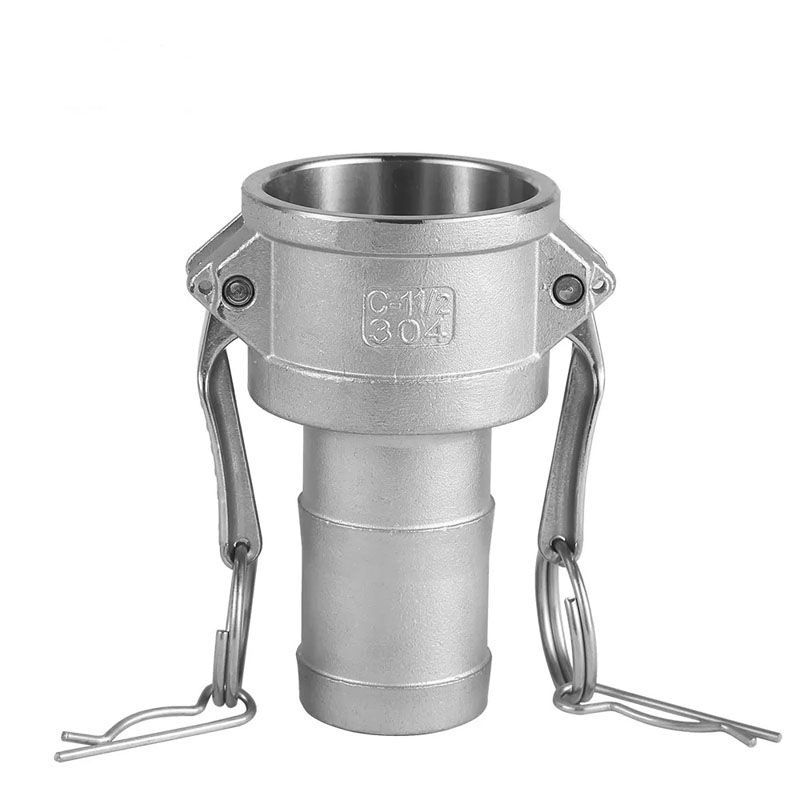
A supplier’s quote is only one part of the decision. Stainless Steel Casting quality depends on material control, foundry experience, tooling accuracy, process management, inspection ability, and communication. A low price can quickly lose its advantage if the parts arrive with porosity, wrong dimensions, mixed materials, poor packaging, or unclear documentation.
Buyers should start with drawings, material requirements, annual quantity, tolerance needs, surface finish expectations, and application details. The more complete the information, the more accurate the quotation and production plan will be. If the project is sensitive, buyers may also request samples, inspection reports, material certificates, or photos from key production stages.
Ningbo Supreme Machinery Co.,Ltd. can be considered by buyers looking for stainless steel casting products and related casting solutions. When discussing a project, buyers should focus on whether the supplier understands the part’s function, not only whether it can produce a similar shape.
- Does the supplier understand the required stainless steel grade and service environment?
- Can the supplier review the drawing and identify casting risks before production?
- Are machining, surface treatment, and inspection services available if needed?
- Can the supplier provide stable repeat production after sample approval?
- Is packaging suitable for export transportation and part protection?
- Can the supplier communicate clearly about lead time, tolerance, and quality checks?
Strong communication is a sign of production reliability. If a supplier asks detailed questions before quoting, that is not a delay; it is often a good sign. Stainless Steel Casting involves many variables, and early clarification protects both sides from avoidable problems.
FAQ
Q1: Is Stainless Steel Casting suitable for small batch orders?
It can be suitable, especially when the part shape is complex or when machining from solid material would be too costly. However, buyers should consider tooling cost and sample approval time. For very simple parts or extremely low quantities, machining may sometimes be more practical.
Q2: Can Stainless Steel Casting replace welding?
In some designs, yes. Casting can combine several shapes into one component, reducing welded joints and possible weak points. However, the design must be reviewed to confirm whether a one-piece casting is stronger, cheaper, or more stable than a welded assembly.
Q3: What information should I provide for a quotation?
A clear drawing, material grade, quantity, tolerance requirements, surface finish needs, heat treatment needs, application environment, and any machining requirements will help the supplier quote more accurately. If no drawing is available, a sample or detailed photos with dimensions can help start the discussion.
Q4: Which grade is better, 304 or 316?
304 is widely used for general corrosion resistance and many industrial environments. 316 usually offers better resistance in more demanding conditions, especially where moisture, chemicals, or chloride exposure may be present. The right choice depends on the working environment and cost target.
Q5: Does Stainless Steel Casting still need machining?
Many cast parts need machining on critical surfaces such as holes, threads, sealing areas, and assembly faces. The goal of casting is not always to remove machining completely, but to reduce unnecessary cutting and form the main shape efficiently.
Q6: How can buyers reduce quality risks?
Buyers can reduce risk by confirming drawings, approving samples, checking material requirements, agreeing on inspection standards, and working with a supplier that communicates clearly before production. For important projects, inspection reports and material certificates are also useful.
Conclusion
Stainless Steel Casting is a practical choice when buyers need corrosion resistance, durable performance, complex geometry, and better material efficiency. It can help reduce machining waste, simplify difficult shapes, improve part integrity, and support a wide range of industrial applications. The key is to match the right stainless steel grade, casting method, tolerance plan, and supplier capability to the actual working conditions.
For procurement teams, the smartest decision is not simply choosing the lowest price. It is choosing a production route that protects function, service life, delivery stability, and total project value. A well-made casting can quietly solve problems that would otherwise appear later as corrosion, leakage, assembly failure, or repeated replacement cost.
If you are evaluating Stainless Steel Casting for pump parts, valve components, machinery fittings, marine hardware, or custom industrial parts, Ningbo Supreme Machinery Co.,Ltd. can help review your drawings and discuss a practical production solution. Share your project requirements with us today, and contact us to get a detailed quotation and manufacturing support for your next casting order.
Send Inquiry



X
We use cookies to offer you a better browsing experience, analyze site traffic and personalize content. By using this site, you agree to our use of cookies.
Privacy Policy