Why Is a Cast Iron Gas Stove Burner Still the Best Choice for Durable and Efficient Cooking
Article Summary: In modern kitchens, performance, durability, and energy efficiency remain the top priorities for homeowners, restaurant operators, and commercial kitchen buyers. A Cast Iron Gas Stove Burner continues to stand out due to its exceptional heat retention, long service life, and reliable cooking performance. As a trusted manufacturer in the casting industry, Supreme provides high-quality Cast Iron Gas Stove Burner solutions that combine robust engineering with consistent flame distribution, making them suitable for both residential and commercial cooking applications. This guide explores everything you need to know about cast iron stove burners, including their advantages, manufacturing process, applications, maintenance tips, and purchasing considerations.
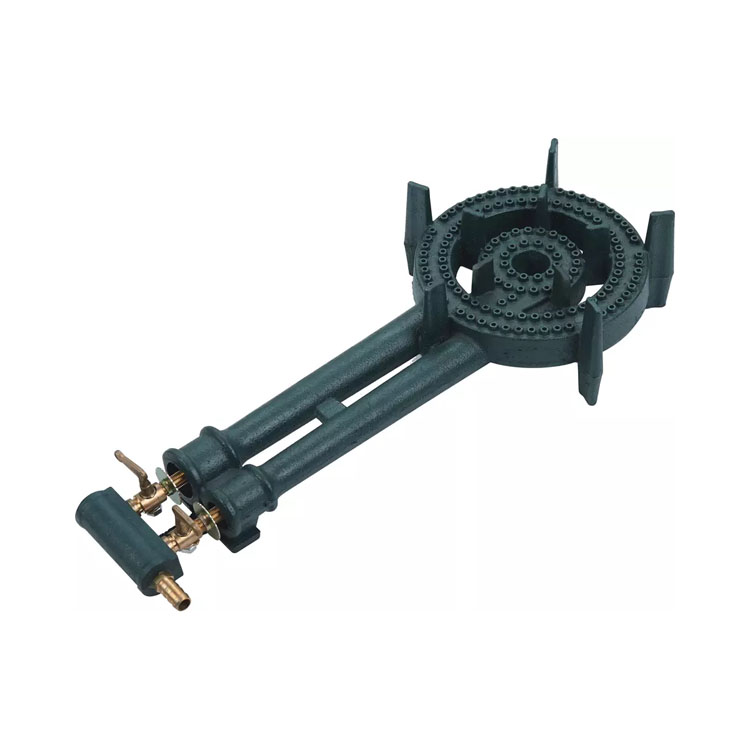
Table of Contents
- What Is a Cast Iron Gas Stove Burner?
- Why Choose a Cast Iron Gas Stove Burner?
- Cast Iron Burner vs Other Burner Materials
- How Is a Cast Iron Gas Stove Burner Manufactured?
- Common Applications
- Key Features to Look For
- Maintenance and Care Tips
- How to Choose the Right Burner
- Future Trends in Cast Iron Burner Technology
- Frequently Asked Questions
- Conclusion
What Is a Cast Iron Gas Stove Burner?
A Cast Iron Gas Stove Burner is a cooking component manufactured from high-strength cast iron and designed to distribute gas evenly across a cooking surface. The burner serves as the heart of a gas stove, controlling flame intensity and ensuring efficient heat transfer to cookware.
Unlike lightweight materials that may warp or deteriorate over time, cast iron provides exceptional structural integrity, allowing burners to withstand continuous exposure to high temperatures.
These burners are widely used in:
- Residential kitchens
- Commercial restaurants
- Outdoor cooking stations
- Industrial food processing facilities
- Catering equipment
- Hotel kitchens
Why Choose a Cast Iron Gas Stove Burner?
There are several reasons why cast iron remains one of the most preferred materials for stove burner manufacturing.
Superior Heat Retention
Cast iron absorbs and retains heat effectively. Once heated, it maintains a stable cooking temperature, reducing energy consumption and improving cooking consistency.
Exceptional Durability
A properly manufactured cast iron burner can last for many years without significant wear, even in demanding commercial environments.
Uniform Flame Distribution
The precise design of gas ports ensures even flame coverage, minimizing hot spots and improving cooking results.
Resistance to Thermal Shock
Cast iron can tolerate rapid temperature changes better than many alternative materials.
Cost-Effective Long-Term Investment
Although the initial cost may be slightly higher, the extended lifespan significantly lowers replacement and maintenance expenses.
Cast Iron Burner vs Other Burner Materials
| Feature | Cast Iron | Aluminum | Steel | Brass |
|---|---|---|---|---|
| Heat Retention | Excellent | Moderate | Good | Very Good |
| Durability | Excellent | Moderate | Good | Excellent |
| Corrosion Resistance | Good | Good | Moderate | Excellent |
| Cost Efficiency | Excellent | Excellent | Good | Moderate |
| Commercial Use | Highly Recommended | Limited | Suitable | Suitable |
| Lifespan | Very Long | Shorter | Moderate | Long |
Among these options, cast iron provides one of the best balances between durability, performance, and affordability.
How Is a Cast Iron Gas Stove Burner Manufactured?
The production of a premium cast iron burner involves multiple precision-controlled steps.
1. Pattern Design
Engineers create accurate burner patterns to ensure optimal gas flow and flame performance.
2. Mold Preparation
High-quality sand molds are prepared to achieve precise dimensions and surface finish.
3. Metal Melting
Selected iron materials are melted in industrial furnaces at carefully controlled temperatures.
4. Casting Process
Molten iron is poured into molds and allowed to solidify under controlled conditions.
5. Machining
Critical surfaces and gas channels are machined to meet strict tolerance requirements.
6. Surface Treatment
Protective coatings improve corrosion resistance and enhance product appearance.
7. Quality Inspection
Each burner undergoes rigorous testing to verify dimensional accuracy, structural integrity, and flame performance.
Common Applications
Cast Iron Gas Stove Burners are versatile and suitable for a wide range of cooking environments.
Residential Kitchens
Homeowners appreciate their reliability, energy efficiency, and cooking consistency.
Commercial Restaurants
Restaurants require burners capable of operating continuously throughout busy service periods.
Outdoor Cooking Equipment
Many outdoor cooking stations utilize cast iron burners due to their weather resistance and durability.
Hotels and Catering Facilities
Large-scale food preparation demands dependable heating performance and long equipment life.
Industrial Food Production
Food processing facilities often rely on heavy-duty cast iron burner systems for continuous operation.
Key Features to Look For
When purchasing a Cast Iron Gas Stove Burner, buyers should evaluate several important characteristics.
- High-density cast iron construction
- Uniform flame distribution design
- Corrosion-resistant surface treatment
- Precision-machined gas ports
- Heat-resistant engineering
- Compatibility with various stove models
- Long operational lifespan
- Stable thermal performance
Choosing a burner with these features can significantly improve cooking efficiency and reduce long-term maintenance costs.
Maintenance and Care Tips
Proper maintenance helps maximize burner performance and lifespan.
Regular Cleaning
Remove food residues and grease accumulation regularly to prevent blockage of gas ports.
Inspect Flame Holes
Ensure that burner openings remain unobstructed for optimal flame distribution.
Avoid Harsh Chemicals
Use mild cleaning agents to protect surface coatings.
Check Gas Connections
Periodically inspect gas supply components for safety and efficiency.
Store Properly
If used outdoors, protect burners from excessive moisture when not in use.
How to Choose the Right Burner
Selecting the ideal burner depends on your specific requirements.
| Selection Factor | Consideration |
|---|---|
| Cooking Volume | Determine residential or commercial usage. |
| Heat Output | Choose appropriate BTU capacity. |
| Burner Size | Match existing stove dimensions. |
| Gas Type | Verify compatibility with LPG or natural gas. |
| Material Quality | Select high-grade cast iron. |
| Manufacturer Reputation | Partner with experienced casting suppliers. |
Working with a professional manufacturer ensures consistent quality and technical support throughout the product lifecycle.
Future Trends in Cast Iron Burner Technology
The gas cooking industry continues to evolve, and cast iron burners are benefiting from several technological advancements.
Enhanced Energy Efficiency
Modern burner designs improve fuel utilization while reducing energy waste.
Precision Flame Control
Advanced engineering allows for more accurate temperature management.
Improved Surface Coatings
New protective treatments increase corrosion resistance and product longevity.
Smart Kitchen Integration
Commercial kitchens increasingly incorporate monitoring systems that optimize burner performance and maintenance schedules.
Sustainable Manufacturing
Many manufacturers are adopting environmentally responsible casting processes and recyclable materials.
Frequently Asked Questions
1. Why is cast iron preferred for gas stove burners?
Cast iron offers excellent heat retention, durability, and resistance to high temperatures, making it ideal for long-term cooking applications.
2. How long does a Cast Iron Gas Stove Burner typically last?
With proper maintenance, a quality cast iron burner can remain operational for many years, even under heavy commercial use.
3. Are cast iron burners suitable for outdoor cooking?
Yes. Their robust construction makes them well-suited for outdoor cooking equipment and harsh operating conditions.
4. Can cast iron burners improve cooking efficiency?
Yes. Their ability to distribute heat evenly helps reduce cooking time and energy consumption.
5. What maintenance is required?
Regular cleaning, inspection of gas ports, and proper storage are generally sufficient to maintain optimal performance.
6. Are cast iron burners compatible with different gas types?
Many models can be configured for either natural gas or LPG, depending on design specifications.
Conclusion
A Cast Iron Gas Stove Burner remains one of the most reliable and cost-effective solutions for both residential and commercial cooking applications. Its unmatched durability, superior heat retention, and consistent flame performance continue to make it a preferred choice across kitchens worldwide. Whether you operate a busy restaurant, manage industrial food production, or simply want a dependable burner for everyday cooking, investing in a high-quality cast iron burner can deliver long-term value and outstanding performance.
Looking for a trusted manufacturing partner for premium cast iron stove burner solutions? Contact us today to learn how Supreme can provide customized, high-quality Cast Iron Gas Stove Burner products tailored to your specific requirements. Our experienced team is ready to support your project with professional engineering, reliable production capacity, and responsive customer service.
Send Inquiry



X
We use cookies to offer you a better browsing experience, analyze site traffic and personalize content. By using this site, you agree to our use of cookies.
Privacy Policy