Why Is a Stainless Steel Turbocharger Exhaust Part the Best Choice for High-Performance and Heavy-Duty Applications
In today's demanding automotive and industrial environments, choosing the right Stainless Steel Turbocharger Exhaust Part can significantly impact engine efficiency, durability, and long-term operating costs. As a trusted manufacturer, Supreme specializes in delivering precision-engineered stainless steel exhaust components designed to withstand extreme temperatures, corrosion, and high-pressure turbocharger systems. Whether for commercial vehicles, heavy-duty machinery, or performance engines, stainless steel exhaust parts have become the preferred solution for reliability and performance.
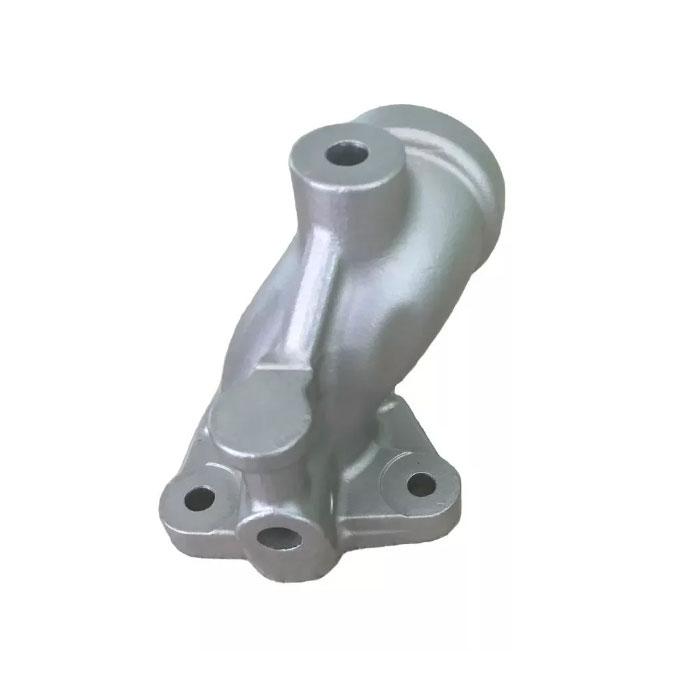
Table of Contents
What Is a Stainless Steel Turbocharger Exhaust Part?
Key Benefits of Stainless Steel Turbocharger Exhaust Parts
How Are Stainless Steel Turbocharger Exhaust Parts Manufactured?
Common Applications Across Industries
How to Choose the Right Turbocharger Exhaust Part
What Is a Stainless Steel Turbocharger Exhaust Part?
A Stainless Steel Turbocharger Exhaust Part is a critical component within a turbocharged engine's exhaust system. It directs high-temperature exhaust gases from the engine to the turbocharger turbine, enabling the turbocharger to generate additional airflow and improve engine power output.
These components are typically manufactured from high-grade stainless steel alloys because they offer superior resistance to:
- Extreme exhaust temperatures
- Corrosion and oxidation
- Thermal fatigue
- Mechanical stress and vibration
- Long-term environmental exposure
Common turbocharger exhaust components include exhaust manifolds, turbine housings, exhaust elbows, outlet adapters, flanges, and connector pipes.
For more technical details about stainless steel turbocharger components, visit: Stainless Steel Turbocharger Exhaust Part.
Key Benefits of Stainless Steel Turbocharger Exhaust Parts
Excellent Heat Resistance
Turbocharger exhaust systems operate under extremely high temperatures that often exceed 800°C. Stainless steel maintains its structural integrity even under prolonged thermal exposure, making it ideal for demanding applications.
Superior Corrosion Resistance
Exposure to moisture, road salts, chemicals, and combustion byproducts can quickly deteriorate ordinary materials. Stainless steel naturally forms a protective chromium oxide layer that helps prevent rust and corrosion.
Longer Service Life
Compared with cast iron or standard carbon steel components, stainless steel exhaust parts typically provide significantly longer operational lifespans, reducing replacement frequency and maintenance costs.
Improved Engine Performance
Precision-cast stainless steel exhaust parts improve exhaust gas flow efficiency, reducing back pressure and helping turbochargers operate more effectively.
Reduced Maintenance Costs
The durability and corrosion resistance of stainless steel minimize downtime and maintenance requirements throughout the product lifecycle.
Material Comparison Table
| Property | Stainless Steel | Carbon Steel | Cast Iron |
|---|---|---|---|
| Heat Resistance | Excellent | Moderate | Good |
| Corrosion Resistance | Excellent | Poor | Moderate |
| Durability | Excellent | Moderate | Good |
| Weight | Moderate | Light | Heavy |
| Maintenance Requirement | Low | High | Medium |
| Expected Service Life | Very Long | Shorter | Moderate |
How Are Stainless Steel Turbocharger Exhaust Parts Manufactured?
The manufacturing process directly affects product quality, durability, and performance. High-quality turbocharger exhaust parts are typically produced through precision casting and advanced machining techniques.
Main Production Steps
- Raw material selection and inspection
- Pattern and mold preparation
- Precision casting process
- Heat treatment for enhanced strength
- CNC machining and finishing
- Dimensional inspection
- Pressure and quality testing
- Surface treatment and packaging
Advanced manufacturing technologies ensure accurate dimensions, smooth gas flow passages, and excellent structural integrity.
Common Applications Across Industries
Stainless Steel Turbocharger Exhaust Parts are widely used in numerous sectors due to their exceptional reliability.
Commercial Trucks
Heavy-duty trucks operate continuously under high loads, requiring durable exhaust components capable of withstanding harsh conditions.
Construction Equipment
- Excavators
- Bulldozers
- Loaders
- Road construction machinery
Agricultural Machinery
Modern farming equipment relies on turbocharged diesel engines for enhanced power and fuel efficiency.
Marine Engines
Marine environments create severe corrosion challenges, making stainless steel an ideal material choice.
Power Generation Equipment
Generator sets often operate continuously for extended periods, requiring highly reliable exhaust system components.
Performance Vehicles
Automotive enthusiasts and racing teams frequently choose stainless steel exhaust components to maximize turbocharger efficiency and engine output.
How to Choose the Right Turbocharger Exhaust Part
Selecting the appropriate component involves evaluating several important factors:
- Engine specifications
- Turbocharger model compatibility
- Operating temperature range
- Pressure requirements
- Material grade
- Manufacturing quality standards
- Corrosion resistance needs
- Supplier reputation and experience
Important Questions to Ask Suppliers
- What stainless steel grade is used?
- What quality certifications are available?
- Are custom designs supported?
- What testing procedures are performed?
- Can production traceability be provided?
Maintenance Tips for Longer Service Life
Although stainless steel components are highly durable, regular maintenance helps maximize performance and longevity.
- Inspect for cracks during routine maintenance.
- Check mounting bolts and flanges regularly.
- Monitor exhaust leaks around connections.
- Clean accumulated deposits when necessary.
- Address turbocharger issues promptly.
- Replace damaged gaskets immediately.
Preventive maintenance can significantly extend the operational lifespan of turbocharger exhaust systems.
Frequently Asked Questions
Why is stainless steel preferred for turbocharger exhaust parts?
Stainless steel offers superior heat resistance, corrosion resistance, strength, and long-term durability compared to many alternative materials.
Can stainless steel exhaust parts improve turbocharger performance?
Yes. Precision-engineered stainless steel components can improve exhaust gas flow, reduce back pressure, and help optimize turbocharger efficiency.
What industries commonly use stainless steel turbocharger exhaust components?
Commercial transportation, construction, agriculture, marine, power generation, and automotive performance sectors all utilize these components extensively.
How long do stainless steel turbocharger exhaust parts last?
Service life depends on operating conditions, but high-quality stainless steel parts generally last significantly longer than conventional steel alternatives.
Can these components be customized?
Yes. Many manufacturers provide customized designs, dimensions, flange configurations, and material specifications to meet unique application requirements.
Conclusion
A Stainless Steel Turbocharger Exhaust Part is an essential investment for applications requiring exceptional durability, corrosion resistance, thermal stability, and long-term reliability. From heavy-duty commercial vehicles to industrial machinery and high-performance automotive systems, stainless steel continues to be the preferred material for modern turbocharger exhaust solutions. By selecting high-quality components from experienced manufacturers, businesses can achieve improved operational efficiency, reduced maintenance costs, and extended equipment lifespan.
Looking for reliable, high-performance turbocharger exhaust solutions? Supreme offers precision-engineered stainless steel casting products designed to meet demanding industrial and automotive requirements. Whether you need standard components or customized solutions, contact us today to discuss your project requirements and discover how our expertise can help optimize your equipment performance and long-term reliability.
Send Inquiry



X
We use cookies to offer you a better browsing experience, analyze site traffic and personalize content. By using this site, you agree to our use of cookies.
Privacy Policy