Why Is a Ground Tunnelling Expansion Shell Rock Bolt Essential for Safer and More Efficient Underground Support
Ground Tunnelling Expansion Shell Rock Bolt is a practical mechanical anchoring solution for stabilizing rock masses in underground construction, mining, and roadway excavation. As an experienced China manufacturer and supplier, Supreme provides expansion shell rock bolts designed for reliable anchorage, efficient installation, and adaptable ground-support requirements.
Underground excavation creates constantly changing stresses within surrounding rock. Without an effective reinforcement system, fractured or unstable rock can lead to deformation, rock falls, higher maintenance requirements, and construction delays. A Ground Tunnelling Expansion Shell Rock Bolt provides a mechanical anchoring method that transfers support forces into competent rock and helps improve the stability of tunnels, roadways, slopes, and mining excavations.
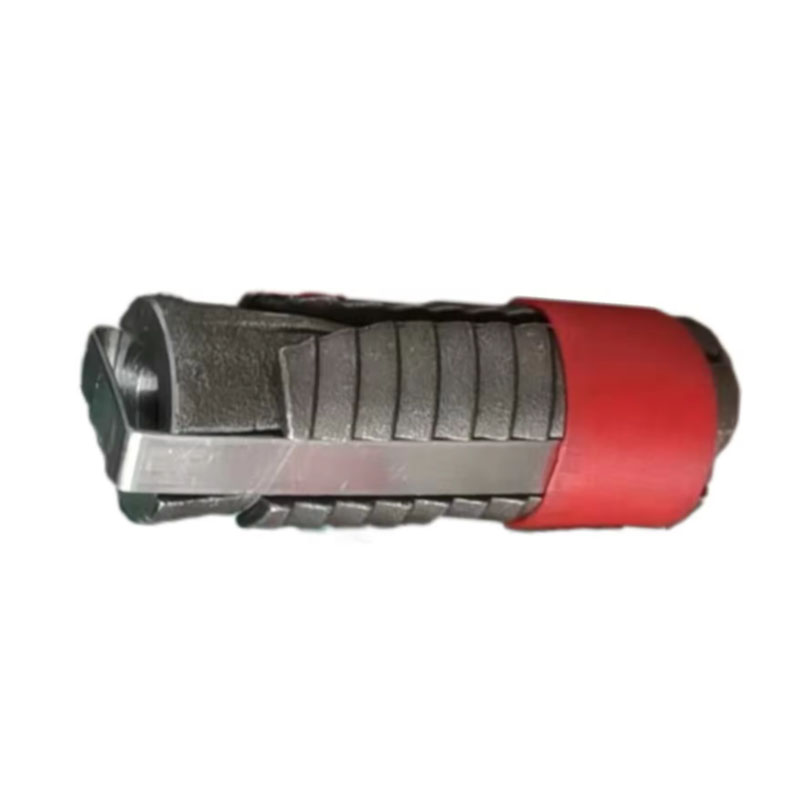
Table of Contents
1. What Is a Ground Tunnelling Expansion Shell Rock Bolt?
2. How Does an Expansion Shell Rock Bolt Work?
3. What Are the Key Technical Specifications?
4. What Are the Main Advantages?
5. Where Are Expansion Shell Rock Bolts Used?
6. What Should Be Considered During Installation?
7. How Should Buyers Select a Reliable Rock Bolt Supplier?
What Is a Ground Tunnelling Expansion Shell Rock Bolt?
A Ground Tunnelling Expansion Shell Rock Bolt is a steel rod or bolt mechanically anchored into a drilled hole in a rock mass. Its primary purpose is to reinforce surrounding rock and improve the stability of underground excavations. Instead of relying only on external structural support, the bolt helps integrate the surrounding rock into a reinforced support system.
The expansion shell is a critical component. When the bolt is tightened, the shell expands against the wall of the drilled hole, creating mechanical contact and anchorage. This makes the system particularly useful where rapid support is required after excavation.
According to the product specifications provided by Supreme, the expansion shell rock bolt can be manufactured using forged steel, #45 steel, Alloy Steel 40Cr, and other specified materials. Available product dimensions include approximately 36–57 mm diameter ranges, with stated capacities of 14–20 tons depending on configuration. Customized sizes can also be supplied for different engineering requirements.
How Does an Expansion Shell Rock Bolt Work?
The operating principle is relatively straightforward but highly important to underground support performance. After a suitable borehole is drilled into competent rock, the expansion shell rock bolt is inserted into the hole. Tightening the bolt causes the expansion mechanism to engage with the borehole wall.
The resulting mechanical anchorage transfers load between the rock and the bolt. Multiple bolts can then be arranged according to the project's support design to create a reinforced rock mass.
- Drilling: A borehole is created in the surrounding rock according to the engineering design.
- Insertion: The expansion shell and bolt assembly are positioned inside the hole.
- Expansion: Tightening activates the shell and forces it against the borehole wall.
- Anchoring: Mechanical friction and bearing provide anchorage within competent rock.
- Reinforcement: The installed bolt works with surrounding rock and other support systems to improve excavation stability.
This mechanical installation principle can be advantageous when construction teams need relatively fast reinforcement without waiting for bonding materials to cure.
What Are the Key Technical Specifications?
Technical parameters should always be matched with the rock conditions, load requirements, drilling equipment, and engineering design. The following specifications are based on the product information available for Supreme's Ground Tunnelling Expansion Shell Rock Bolt.
| Specification | Available Information | Importance |
|---|---|---|
| Product Type | Expansion Shell Rock Bolt | Provides mechanical anchorage in rock masses |
| Material | Forged Steel, #45 Steel, Alloy Steel 40Cr | Influences strength and service performance |
| Diameter | 36–57 mm | Must correspond with the support and drilling design |
| Capacity | 14–20 Tons | Indicates the stated load-support range |
| Finish | Sand Blast, Zinc Plated, Bright/Uncoated | Supports different environmental and application requirements |
| Standard | DIN | Provides a reference for dimensional and manufacturing requirements |
| Size | Customized | Allows adaptation to project-specific requirements |
For buyers, specifications should not be evaluated individually. Bolt material, diameter, shell configuration, anchorage capacity, surface treatment, borehole conditions, and installation method should be considered as one complete support system.
What Are the Main Advantages?
Expansion shell rock bolts are widely considered a practical option for underground reinforcement because they combine relatively simple installation with mechanical anchoring performance.
- Fast installation: Mechanical anchoring can support efficient installation during excavation operations.
- Reduced support costs: A properly designed rock-bolt system can reduce reliance on more extensive structural support.
- Compact excavation: Rock reinforcement can support underground layouts without requiring large additional support structures.
- Low maintenance requirements: Properly selected and installed bolts can contribute to durable ground-support systems.
- Wide adaptability: Expansion shell systems can be used across suitable hard and medium-hard rock conditions.
- Convenient handling: The components are comparatively easy to transport and install underground.
- Reduced construction labor: Efficient installation can help reduce manual workload during support operations.
- Flexible configurations: Different materials, diameters, finishes, and customized dimensions can be selected according to project requirements.
However, a rock bolt should not automatically be regarded as a standalone solution for every geological condition. In fractured or weathered formations, complementary systems such as steel mesh, shotcrete, grout, or other engineered support measures may be required.
Where Are Expansion Shell Rock Bolts Used?
The versatility of mechanical anchoring makes expansion shell rock bolts suitable for a wide range of underground and civil engineering applications. Typical applications include:
- Underground mining roadways and excavations
- Tunnel construction and ground support
- Metro and railway tunnel projects
- Slope pre-support and stabilization
- Road reinforcement
- Water conservancy projects
- Deep excavation support
- Soil nailing and foundation reinforcement
- Micropile-related applications
- Geological fault treatment
- Underground infrastructure projects
In mining and tunnelling, the selection of bolt length, spacing, anchorage location, and installation torque should be determined according to actual geological and engineering conditions rather than using a universal configuration.
What Should Be Considered During Installation?
Correct installation is essential because even a high-quality expansion shell rock bolt cannot compensate for unsuitable borehole conditions or incorrect installation procedures.
1. Evaluate the Rock Condition
The anchor zone must provide adequate competent rock for the expansion shell to develop reliable anchorage. Geological conditions should be assessed before selecting the bolt system.
2. Control Borehole Quality
Hole diameter, depth, alignment, cleanliness, and location can directly influence anchoring performance. The borehole should follow the project engineering requirements.
3. Select the Correct Bolt Configuration
Material, diameter, length, shell type, plate, washer, and nut should be matched to the expected load and ground conditions.
4. Follow the Required Installation Torque
Mechanical expansion depends on correct activation of the shell. Installation should therefore follow the manufacturer's technical requirements and the project's approved support design.
5. Combine Support Measures When Necessary
Expansion shell bolts do not eliminate all risks associated with weathering, fractured rock, or rock spalling between individual bolts. Metal mesh, shotcrete, grouting, or other reinforcement methods may be integrated where required.
How Should Buyers Select a Reliable Rock Bolt Supplier?
For mining contractors, tunnelling companies, engineering distributors, and industrial procurement teams, supplier selection is as important as product selection. A reliable China manufacturer should be able to provide consistent production, technical specifications, quality inspection, packaging, and delivery support.
When evaluating a supplier, consider the following:
- Material traceability: Confirm that supplied steel grades match the agreed specifications.
- Manufacturing capability: Check whether the factory has suitable forging, machining, assembly, and inspection capabilities.
- Quality control: Look for incoming material inspection, in-process inspection, final inspection, and outgoing quality checks.
- Customization: Confirm whether dimensions, finishes, packaging, and configurations can be adapted to project requirements.
- Production consistency: Large projects require stable batch-to-batch quality.
- Packaging and logistics: Proper cartons, wooden cases, crates, or customized packaging can reduce transportation risks.
- Technical communication: The supplier should understand the application and provide clear product information before production.
Supreme's published manufacturing information describes CNC equipment and machining centers, together with incoming, in-process, final, and outgoing quality-control procedures. Its product information also indicates customized packaging options including plastic bags, carton boxes, wooden cases, and crates.
Frequently Asked Questions
What is the primary purpose of a Ground Tunnelling Expansion Shell Rock Bolt?
Its primary purpose is to mechanically anchor a steel bolt into competent rock and reinforce the surrounding rock mass in tunnels, mining roadways, slopes, and other underground excavations.
What materials can be used for expansion shell rock bolts?
Depending on the product configuration, materials can include forged steel, #45 steel, Alloy Steel 40Cr, and other specified metal components. Material selection should correspond to the required mechanical performance and project conditions.
What diameter options are available?
The referenced product information lists diameters from approximately 36 mm to 57 mm, while customized dimensions can also be discussed according to project requirements.
Can expansion shell rock bolts be used as the only ground-support method?
Not necessarily. The appropriate support system depends on geological conditions and engineering requirements. In fractured or weathered rock, expansion shell bolts may need to work together with metal mesh, shotcrete, grouting, or other support measures.
Why is quality control important when purchasing rock bolts?
Rock bolts are structural ground-support components, so variations in material, dimensions, machining, shell performance, or assembly quality can affect installation and anchorage. A controlled manufacturing and inspection process helps improve batch consistency and reliability.
Conclusion: Why Choose the Right Expansion Shell Rock Bolt?
A Ground Tunnelling Expansion Shell Rock Bolt can provide a practical, efficient, and adaptable approach to underground rock reinforcement when correctly selected and installed. Its mechanical anchoring principle, flexible specifications, relatively fast installation, and compatibility with broader support systems make it valuable for tunnelling, mining, roadway stabilization, and civil engineering projects.
For procurement teams looking for a dependable China Ground Tunnelling Expansion Shell Rock Bolt manufacturer and supplier, Supreme combines material options, customized sizing, machining capabilities, quality-control procedures, and flexible packaging to support different project requirements. If you are evaluating bolt specifications, requesting a customized solution, or planning a bulk purchase, contact us today to discuss your application, required dimensions, materials, quantities, and delivery requirements.
Send Inquiry



X
We use cookies to offer you a better browsing experience, analyze site traffic and personalize content. By using this site, you agree to our use of cookies.
Privacy Policy