Industry News
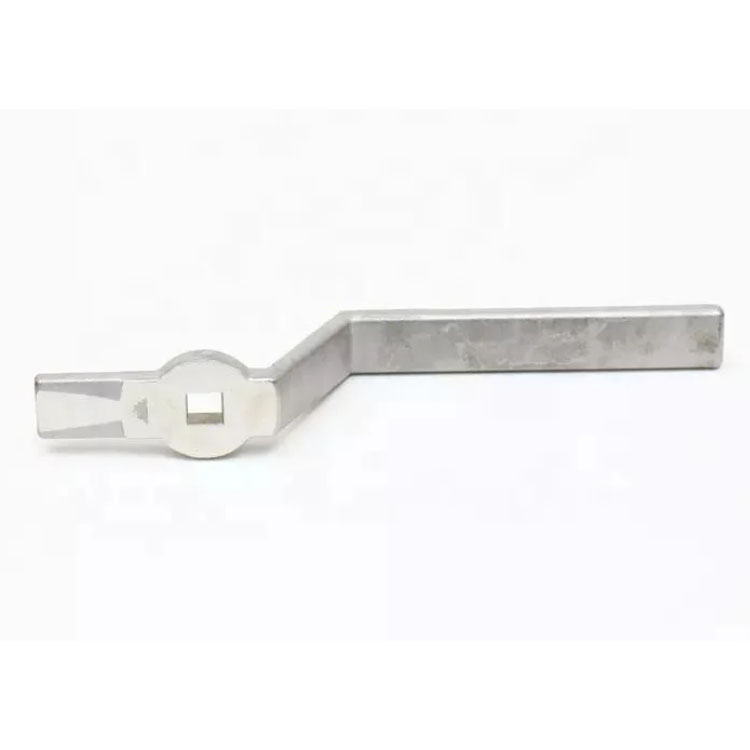
Why Should You Choose a Stainless Steel Valve Handle for Your Industrial Applications
Choosing the right valve handle is crucial for industrial efficiency and safety. Stainless Steel Valve Handles offer durability, corrosion resistance, and ergonomic design for various applications. In this blog, we will explore the advantages, materials, applications, maintenance, and FAQs about Sta......
View Details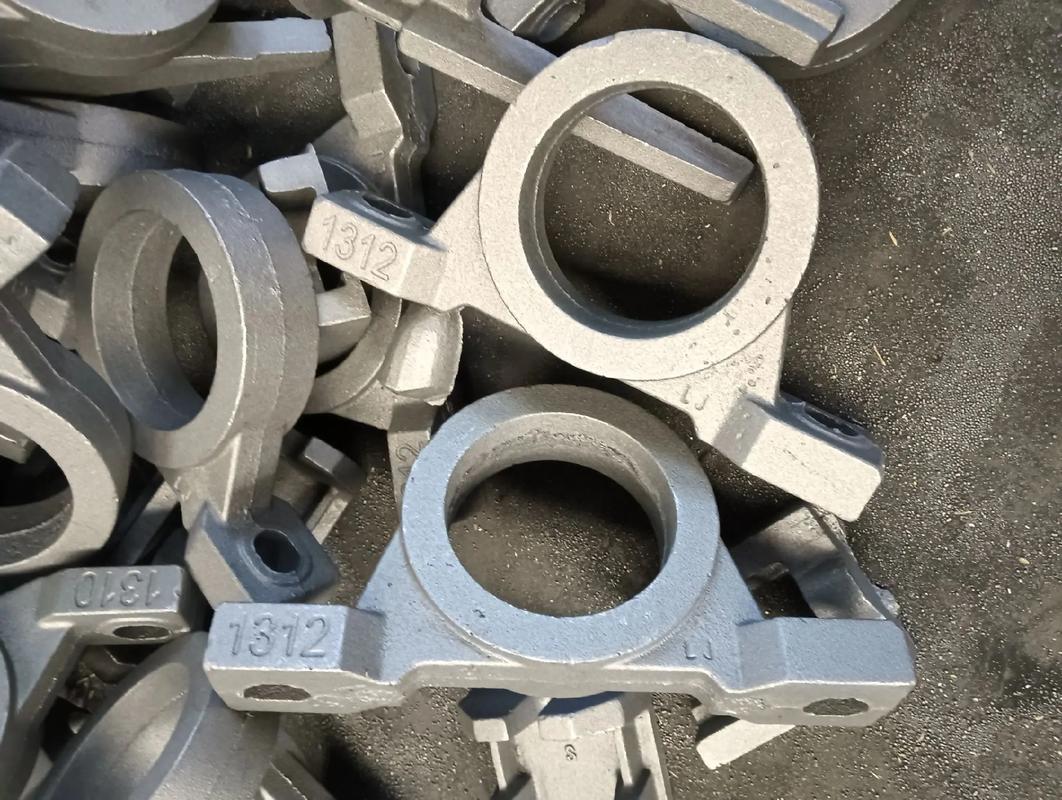
What are the applications of ductile cast iron in agricultural machinery
In the field of agricultural machinery, ductile iron is widely used. It is used to manufacture plowshares, harrow blades, and other tillage components, which need to withstand soil friction and impact during operation.
View Details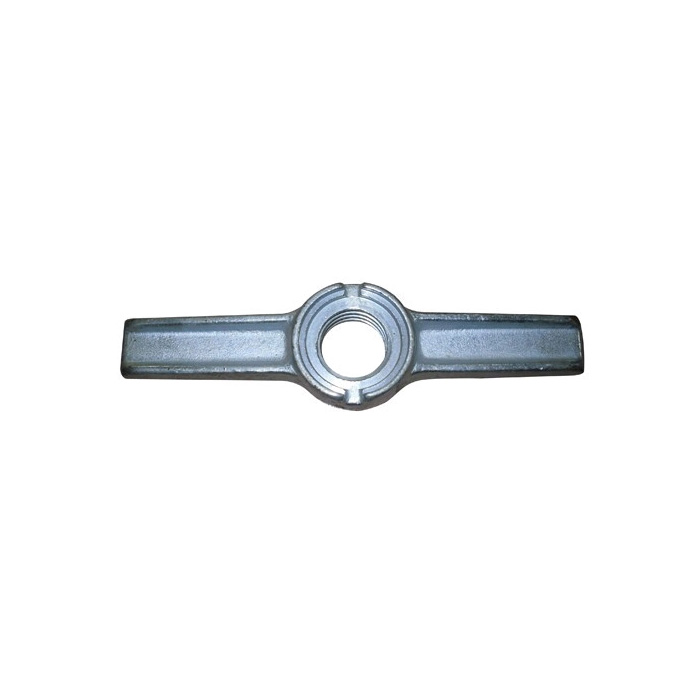
What Makes Ductile Iron Casting a Reliable Choice for Heavy-Duty Parts?
Choosing the right casting material is not only about strength on paper. Buyers also care about long service life, dimensional stability, machining efficiency, delivery consistency, and whether a supplier can keep quality under control from drawing review to shipment.
View Details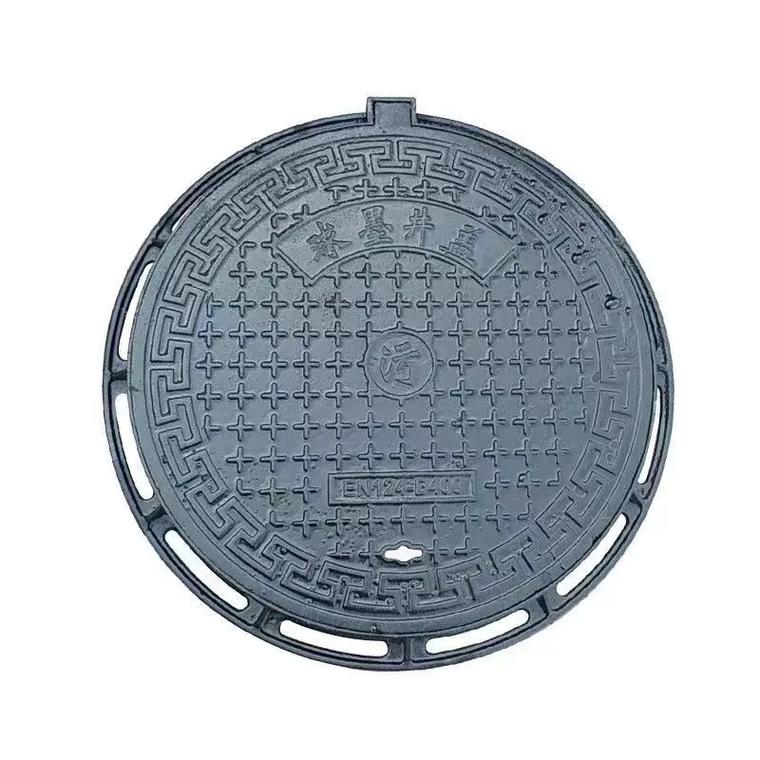
Cast Iron Manhole Cover
Cast iron manhole covers are a key component widely used in urban infrastructure, mainly used to cover the entrances of underground facilities such as sewers, drainage channels, and cable ducts, ensuring the safe passage of pedestrians and vehicles as well as the protection of internal facilities.
View Details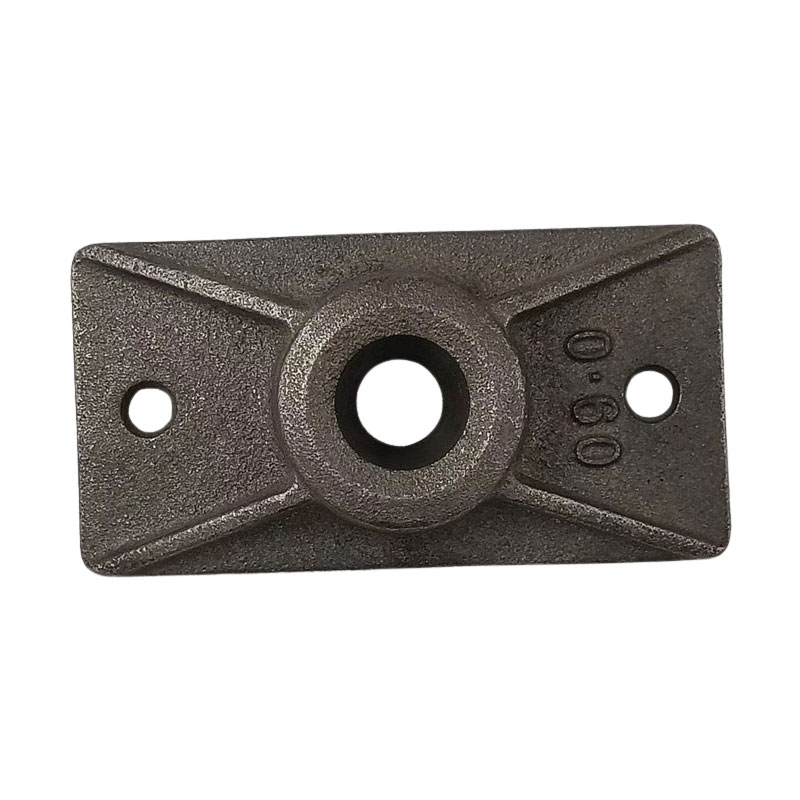
What Makes Post Tension Anchorage Reliable for Long-Span Concrete Projects?
Post Tension Anchorage plays a quiet but decisive role in modern concrete construction. For contractors, bridge builders, precast producers, and structural engineers, the main concern is rarely whether post-tensioning can improve performance.
View Details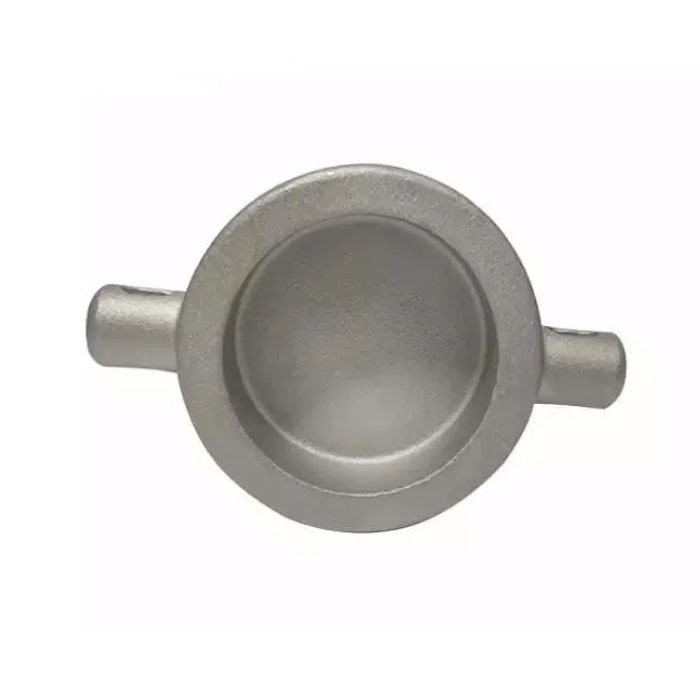



X
We use cookies to offer you a better browsing experience, analyze site traffic and personalize content. By using this site, you agree to our use of cookies.
Privacy Policy